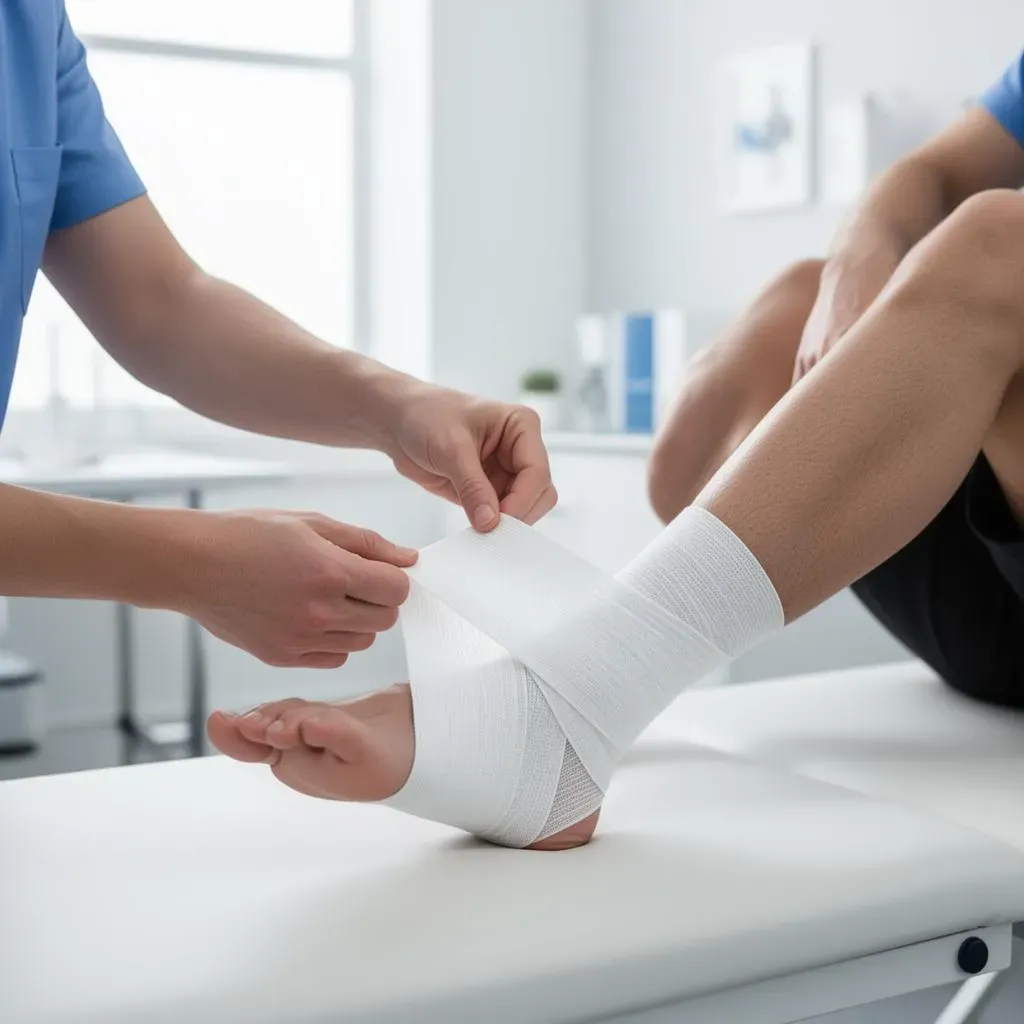
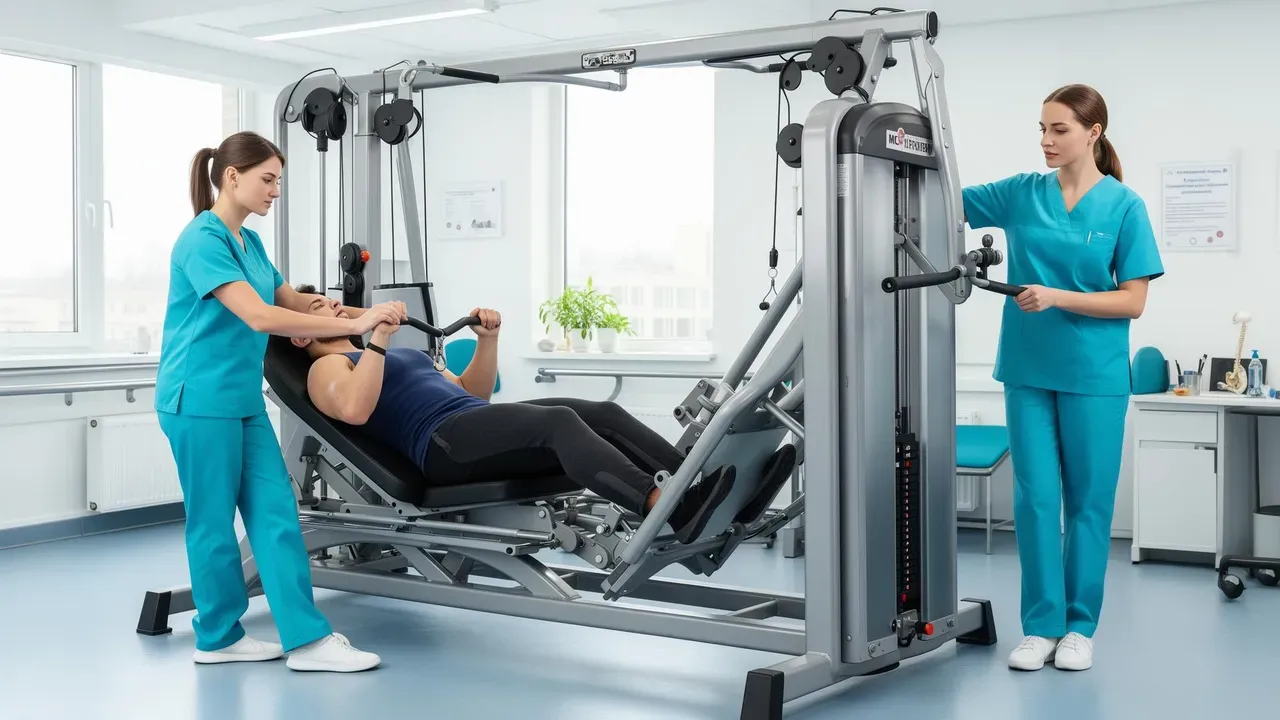
A sprain, surgery, a cast: when you can’t move the way you used to, your muscle melts away fast. You might think that means eating less. For protein, it’s often the opposite: here’s why, how much, and how to go about it.
In short
- When you’re immobilized, you lose muscle, especially in the first 1 to 2 weeks.
- Muscle also responds less well to protein (“anabolic resistance”): keeping your protein up, or increasing it, can limit the loss of muscle and strength.
- While immobilized, aim for about 2–2.5 g of protein per kg per day, in servings of 20–25 g spread over the day.
- Eat enough: no strict diet during an injury, without gaining fat either.
- Rehab first: no supplement replaces it. Before or after surgery, ask your surgeon.
Why does an injured person need more protein?
When a leg or an arm stops working, the muscle shrinks, and fast: especially in the first 1 to 2 weeks (Wall, 2015). On top of that, it responds less well to protein: that’s “anabolic resistance” (anabolic means “building”). Picture your muscle becoming hard of hearing: to get the message through, you have to speak louder, which means giving it more protein.
The good news, according to the same review: keeping your protein intake up, or increasing it (the amount, the type and the timing), can limit the loss of muscle and strength during your recovery. Another review (Smith-Ryan, 2020) points the same way: more protein, evenly spread over the day, helps minimize that loss during immobilization.
During immobilization, muscle shrinks mostly in the first 1 to 2 weeks, then more slowly.
A diagram to help you understand, not measurements. Based on a review of immobilization (Wall et al., 2015).
How much protein do you need when you’re injured?
When you train normally, the ISSN talks about 1.4–2.0 g per kg per day. During immobilization, a review on nutrition for sports injuries (Tipton, 2015) suggests aiming higher: about 2–2.5 g per kg per day. At 70 kg, that’s 140–175 g a day.
Per serving: 20–40 g of protein every 3–4 hours (Smith-Ryan, 2020), towards the top of that range while the muscle is immobilized (Tipton, 2015), spread evenly over the whole day. To reach your total, add protein snacks between meals: a skyr, some eggs, a whey shake. And above all, don’t cut your protein when you eat less.
To reach your total: one serving at every meal, plus protein snacks in between.
For 70 kg: 140 to 175 g of protein per day.
Guidelines from a 2015 review on nutrition after sports injuries (Tipton), for the period of immobilization. Before or after surgery, kidney disease or medication: ask your doctor or surgeon first.
To put your servings together, here’s roughly what 25 g of protein looks like:
- 1 scoopof whey
- 110 gof chicken breast, raw weight
- 4eggs
- 250 gof skyr
Rounded averages: they vary from one product to another. On the pack, check the “protein” line.
Why eat enough, even when you’re not moving?
The usual reflex: “I’m moving less, so I’ll eat less.” Careful: your body needs energy to repair itself. According to Tipton, the balance between what you eat and what you burn is critical: a diet that is too strict will very likely slow your recovery. The aim isn’t to gain fat either: know your energy needs (Smith-Ryan, 2020), with no strict diet and no overeating.
- Rehabfirstyour physio’s exercises: nothing replaces them
- Proteinmore than before2–2.5 g per kg a day while immobilized
- Energyenoughno strict diet, without gaining fat
If one pillar is missing, the roof tilts.
Based on Tipton (2015), Wall et al. (2015) and Smith-Ryan et al. (2020). Before or after surgery, always ask your surgeon.
What about creatine and omega-3s?
For creatine and omega-3s during an injury, Tipton’s review describes the evidence as promising, but still preliminary. No dose to recommend here: talk to your doctor first. The foundation is still a varied diet made of real food.
Why does rehab come first?
Because no supplement replaces it. Protein supplies the bricks; your exercises show your body where to lay them. Before or after surgery, always ask your surgeon for advice.
Did you finish physio less than a month ago, here or elsewhere? Off-Field’s Post-Physio class welcomes you, with or without a doctor’s MTT voucher.
Need a physiotherapist near Gland?
Book onlineWho should ask a doctor first?
Check with your doctor, or your surgeon, first if:
- you are about to have surgery or have just had it;
- you have kidney disease: with severe kidney disease, protein sometimes even needs to be limited;
- you have a chronic illness or take medication;
- you are pregnant or breastfeeding;
- you are under 18: food first, and no creatine without medical advice;
- you are allergic to milk: whey comes from milk, but plant proteins exist.
The full guide: protein, creatine, BCAAs: what to take, and when. For your tendons: protein and tendon health. And to get back to training afterwards: a personal trainer or physical preparation.
Personal trainer near Gland?
Off-Field Center — Route des Avouillons 17c (Box 26-27), Gland · Mon–Fri 7am – 8pm · Sat 9am – 11am
Frequently asked questions
Why eat more protein when you’re injured?
When you’re immobilized, muscle melts away fast, especially in the first 1 to 2 weeks, and it responds less well to protein (anabolic resistance). Keeping your protein up, or increasing it, can limit the loss of muscle and strength.
How much protein a day during an injury?
During immobilization, a 2015 review (Tipton) suggests aiming for about 2–2.5 g per kg per day, in servings of 20–40 g spread over the day: 140–175 g a day at 70 kg.
Should you eat less when you can’t train?
No strict diet: it would very likely slow your recovery. Eat enough to repair, without gaining fat, and never cut your protein when you eat less.
What about creatine during an injury?
For creatine and omega-3s during an injury, the evidence is promising, but still preliminary. No dose to recommend here: talk to your doctor first.
Does protein replace rehab?
No. Rehab comes first: no supplement replaces it. Protein and eating enough support it. Before or after surgery, always ask your surgeon.
What should you eat to get enough protein?
Put a protein source in every meal and every snack: meat, fish, eggs, dairy (skyr, quark), tofu, beans or lentils. A whey shake can help out, but food comes first.
What is the Post-Physio class?
An Off-Field small-group class in Gland that bridges the gap between rehab and getting back to training. It is open to anyone who finished physio no more than a month ago, at Off-Field or elsewhere, with or without a doctor’s MTT voucher.