⚠️ Disclaimer: This content is informational. A concussion is a medical diagnosis. When in doubt, stop and get evaluated by a professional.
Consult Our PhysiotherapistsConcussion is a serious but often misunderstood injury. This article guides you through the warning signs, immediate actions, and the progressive return-to-sport protocol based on the latest international recommendations (Amsterdam 2022 Consensus, CDC HEADS UP).
What is a concussion?
A concussion is a traumatic brain injury caused by a direct blow (to the head) or indirect impact (blow to the body with force transmitted to the brain). Symptoms can be immediate… or appear several hours later.
💡 Key point: You don't need to lose consciousness to have a concussion. Most concussions occur without loss of consciousness.
Quick Recognition: Common Signs and Symptoms
👀 Observable Signs
By coach/parent/team
- • Looking "dazed", confusion, slow responses
- • Loss of balance, unsteady gait
- • Memory lapses (score, play, instructions), disorientation
- • Unusual behavior (irritability, agitation)
- • Loss of consciousness (even briefly)
🗣️ Reported Symptoms
By the athlete
- • Headache / pressure, "foggy" feeling
- • Dizziness, nausea
- • Blurred vision, sensitivity to light/noise
- • Fatigue, drowsiness, sleep disturbances
- • Difficulty concentrating/remembering
🚨 Red Flags = Emergency
Call 144 (CH) / 112 / 911 if any of the following appear after a head injury:
- ⚠️Rapidly worsening symptoms, significant confusion
- ⚠️Repeated vomiting
- ⚠️Seizures
- ⚠️Decreased alertness / difficulty waking up
- ⚠️Suspected fracture/deep wound, significant neck pain
- ⚠️Any concerning neurological sign (weakness, speech problems, etc.)
Immediate On-Field Protocol
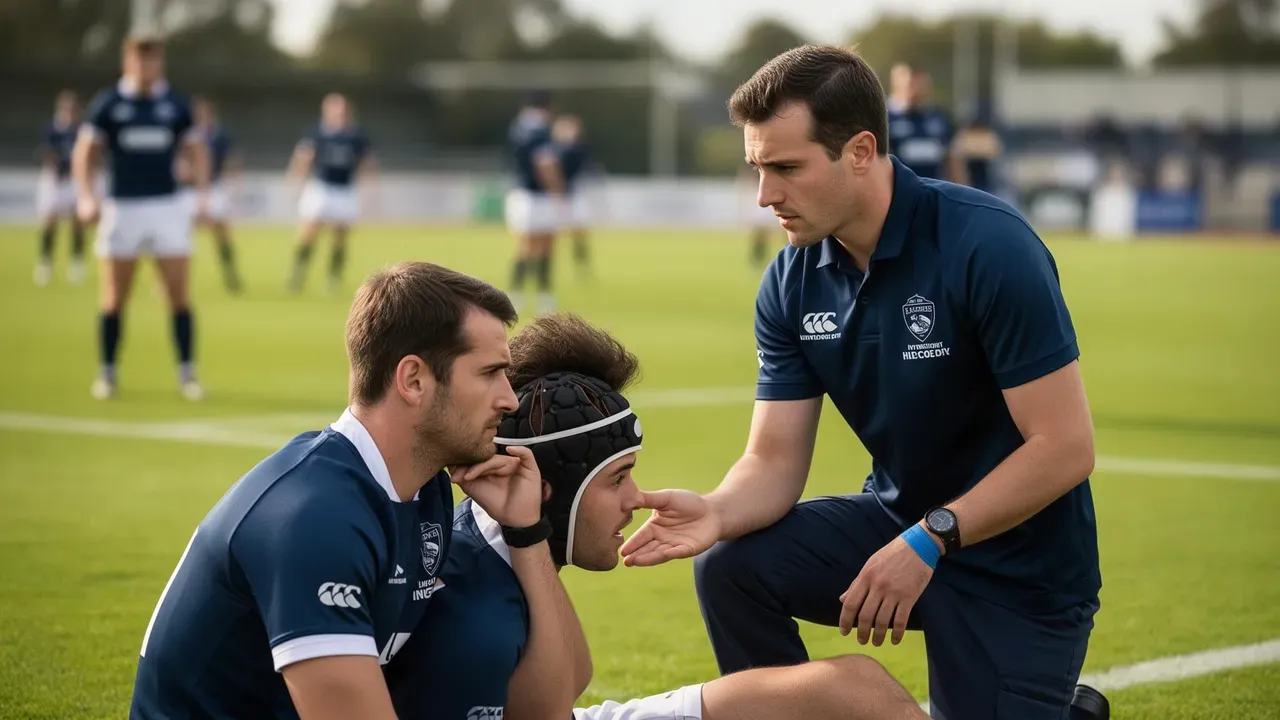
This protocol is simple and non-negotiable. When in doubt, apply the rule: "When in doubt, sit them out."
STOP
Remove the athlete from activity immediately.
ZERO same-day return
No return to play if concussion is suspected.
Monitor
Don't leave alone (ideally 24h supervision).
Medical evaluation
Refer to a trained healthcare professional.
⚠️ Important: Avoid alcohol, drugs, and driving while symptoms are present or without medical clearance.
The First 24–48 Hours: "Relative Rest"
Current recommendations emphasize relative rest initially, followed by gradual return to daily activities without pushing, accepting at most a slight and brief increase in symptoms.
💡 Updated guidance: Complete isolation ("cocooning") is now discouraged. Prolonged complete rest may actually delay recovery.
Return-to-Sport Protocol
Based on the Amsterdam 2022 Consensus and CDC HEADS UP, this 6-step protocol guides the progressive return to sport.
≥24h
Minimum per step
6
Progressive steps
~20d
Typical average duration
⚠️ Key principle: Move to the next step only if no new or worsening symptoms. If symptoms occur: stop, rest, and return to the previous step.
Symptom-limited activity
Walking, simple daily activities (zero risk of contact/falls).
Light aerobic exercise
Easy cycling / brisk walking, low intensity, no impact.
Moderate effort
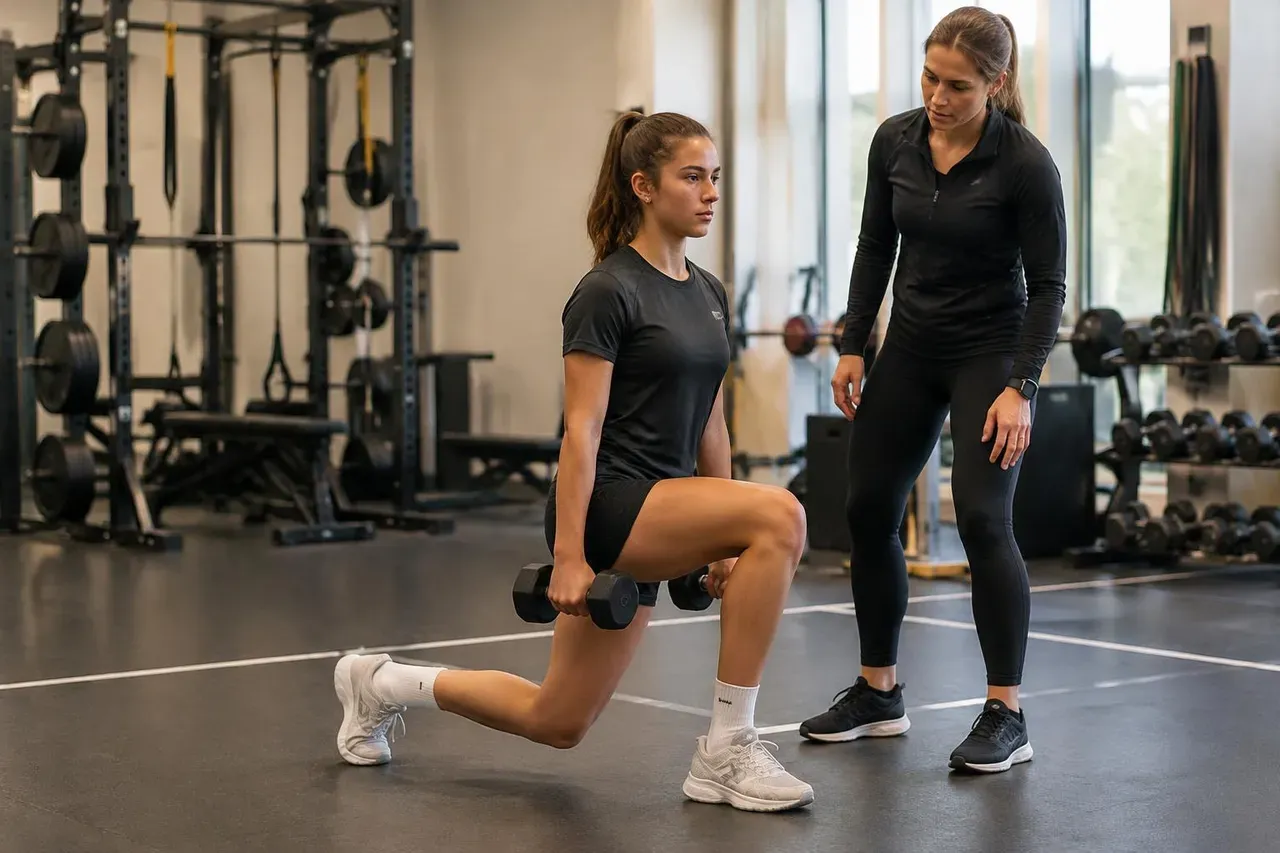
Light jogging, light strength training, progressive volume, still no contact. (Treatment/rehabilitation phase)
Intense non-contact training
Sprints, more complex drills, sport-specific work, but no contact/collision.
Contact training
Return to contact in controlled practice, with medical clearance.
Return to competition
Normal match/game play. Full return to sport.
Return to School / Work
For young people, the goal is to gradually return to learning, with accommodations as needed (breaks, reduced screen time, half days, etc.).
📚 Possible Accommodations
- • Frequent breaks during classes
- • Reduced screen time
- • Half-day attendance
- • Reduced homework/exam load
- • Quiet environment (less noise/light)
When to Seek Help Again (Don't Wait)
- →Symptoms that persist, worsen, or don't progressively improve
- →Symptoms beyond 2–4 weeks: multimodal evaluation and targeted rehabilitation (cervico-vestibular, exercise tolerance, etc.)
What We Apply at Off-Field
Safety First
No "no pain no gain" after a head injury.
Progressive Return
Below symptom threshold, zero contact until cleared.
Coordination
Collaboration with physician/physio if ongoing care.
Frequently Asked Questions
How long does it take to recover from a concussion?
Most athletes recover in less than a month, with an average around 20 days. However, it varies widely depending on age, concussion history, and severity.
Can you have a concussion without losing consciousness?
Yes, this is actually the most common scenario. Most concussions occur without loss of consciousness.
Is complete rest recommended?
No, current recommendations advise initial relative rest, followed by progressive return. Complete isolation ("cocooning") is discouraged as it may delay recovery.
When can you return to school or work?
Return can begin as soon as symptoms allow, with accommodations (breaks, quiet environment, reduced workload). The goal is progressive return, not immediate full return.
References
- • Amsterdam 2022 International Consensus (BJSM) — RTL/RTS recommendations and graduated strategy
- • CDC HEADS UP — 6-step progression, ≥24h/step, medical supervision
- • NHS — signs requiring urgent care and post-head injury advice
- • Swiss Football Association "Return to Play" — checklists for coaches, immediate removal when in doubt
Need Support After a Concussion?
Our physiotherapists are trained in concussion management and can guide you through your return-to-sport protocol.