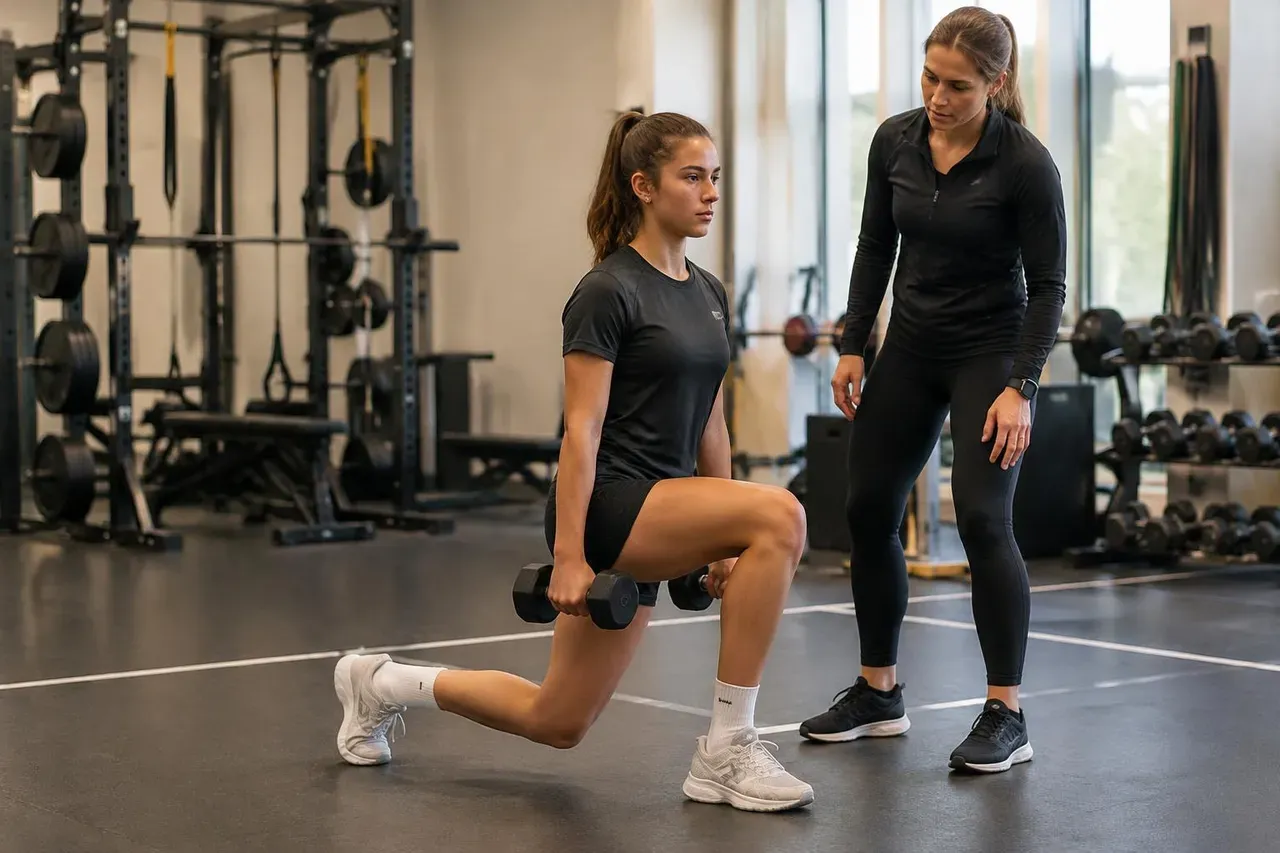
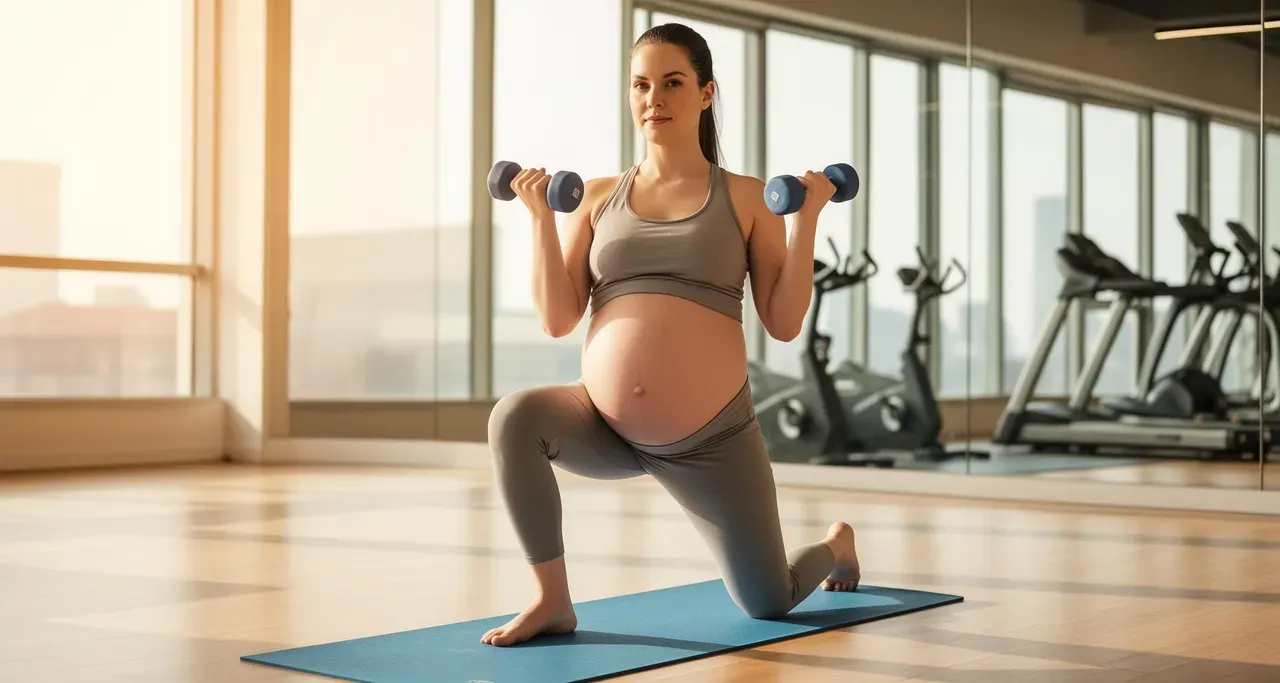
Regular physical activity is strongly encouraged during pregnancy in the absence of medical complications. Experts now consider prenatal exercise as a genuine "prescription" to improve the health of mother and baby, reducing the risk of complications. Numerous studies show that exercising during pregnancy is not only safe but beneficial for most pregnant women and their unborn children.
🤰 Are you pregnant and want to stay active?
Our physiotherapists and physical trainers support you with a program adapted to your pregnancy.
Benefits of Exercise for the Mother During Pregnancy
Moderate and regular physical activity provides multiple benefits to pregnant women, both physically and mentally:
💪 Better Overall Fitness
Exercise improves cardiorespiratory endurance and muscle tone, helping the expectant mother better cope with pregnancy body changes and labor effort. Active pregnant women often have more energy and less shortness of breath.
⚖️ Weight Control
Staying active helps limit excessive weight gain and prevent certain complications. Exercise reduces the risk of gestational diabetes and gestational hypertension/preeclampsia.
🩹 Relief from Pregnancy Discomforts
Physical activity helps prevent or relieve constipation and frequent lower back pain. Strengthening back muscles improves posture and reduces muscular discomfort.
🧠 Mental Benefits
Exercise is associated with better mood, less anxiety and stress, and reduced risk of prenatal and postpartum depression. It helps with better sleep and maintaining positive self-esteem.
🏥 Easier Delivery and Recovery
Being fit can facilitate labor on delivery day: women who have been active during pregnancy experience on average shorter active labor, reduced pushing phase and less need for interventions (forceps or cesarean).
Additionally, they tend to recover faster postpartum, with an easier return to their pre-pregnancy fitness level.
Benefits of Exercise for the Baby
The mother's activity also benefits the fetus during gestation, as well as the newborn and even the child later. Among the benefits for the baby highlighted by research:
- 👶Reduced Neonatal Complications – Moderate exercise contributes to better pregnancy outcomes, fewer birth complications and better balance of birth weight (without macrosomia or low weight).
- ❤️Better Fetal Oxygenation – Exercise promotes placental circulation: better placental perfusion and improved oxygen and nutrient exchange between mother and fetus are observed.
- 🧒Advanced Neurological Maturation – Newborns of active mothers show more mature neurological activity and better neuromotor reflexes. Brain maturation, particularly of the hippocampus (memory), is accelerated.
- 📚Long-term Cognitive Development – Children of active mothers often score higher on motor and cognitive development assessments (coordination, language, vocabulary).
Important note: These positive effects are observed in normal pregnancies. Exercise does not decrease the baby's birth weight, nor does it increase the risk of prematurity or miscarriage when practiced moderately and supervised.
Recommended Frequency, Duration and Intensity
Major health authorities (ACOG, Canadian Society for Exercise Physiology) agree on clear recommendations for physical activity in healthy pregnant women:
150
minutes per week
of moderate exercise
3-5
sessions per week
of about 30 min
2×
strength training
per week
💬 The Talk Test
Training should remain at moderate intensity. A simple way to measure this: during exercise, the pregnant woman should be able to hold a conversation.
She is breathless enough not to be able to sing, but can talk. Exercising at maximum intensity or until exhaustion is not recommended.
📈 Adaptation According to Initial Level
- •Sedentary women: Start slowly (15 min, 3×/week) and gradually increase
- •Athletic women: Can continue their usual activities, adapting as pregnancy progresses, under medical supervision
Suitable Types of Physical Activities
Many forms of exercise are suitable for pregnant women, provided they are practiced safely:
🏃♀️ Cardiovascular Activity (Aerobic)
Endurance exercises that work the heart and lungs without excessive impact on joints.
Examples: Brisk walking, swimming, water aerobics, stationary cycling, elliptical, light dancing
💪 Strength Training
"Maintenance" mode rather than "performance", with moderate weights or bodyweight.
Examples: Light dumbbells, resistance bands, adapted squats, back and arm exercises
⚠️ Avoid intense abdominal exercises (classic crunches)
🧘 Mobility and Flexibility
Exercises to maintain flexibility and relieve muscle tension.
Examples: Prenatal yoga, modified Pilates, gentle stretching
⚠️ Avoid inverted positions or prolonged lying on back
🔐 Pelvic Floor Exercises
Essential throughout pregnancy to prevent incontinence and prepare for delivery.
Kegel exercises: Daily perineal contractions, ideally after professional advice (midwife, physiotherapist)
🎯 Need Personalized Support?
Our specialized physiotherapists can create a prenatal program adapted to your condition and pregnancy stage.
FAST BOOKING PHYSIOEssential Precautions to Follow
🩺 Medical Advice and Monitoring
Consult a healthcare professional early in pregnancy to verify there are no contraindications. Without complications, exercise is considered safe and desirable throughout pregnancy.
💧 Warm-up and Hydration
Warm up before each session and recover gradually. Stay hydrated before, during and after exercise. Avoid exercising on an empty stomach.
🌡️ Avoid Overheating
Avoid very hot environments (no sauna, hot yoga). Choose well-ventilated areas and avoid peak heat hours in summer.
🚫 Positions to Avoid After 2nd Trimester
Avoid prolonged exercises lying on your back (vena cava compression). Prefer standing, sitting or side-lying positions.
Sports to Avoid During Pregnancy
⛔ Strictly Advised Against Activities
- • Contact sports: violent team sports, martial arts, boxing (risk of abdominal impacts)
- • Fall-risk sports: alpine skiing, snowboarding, horse riding, rough terrain mountain biking, climbing, ice skating
- • Scuba diving: strictly forbidden (decompression accident risk for the fetus)
- • Aerial sports: skydiving, paragliding
- • Motor sports: karting, downhill mountain biking (vibrations and impact risks)
Warning Signs: When to Stop Exercising
⚠️ Stop immediately and consult if:
- • Vaginal bleeding
- • Regular painful contractions
- • Amniotic fluid loss
- • Extreme shortness of breath at rest
- • Dizziness or fainting
- • Severe unusual headache
- • Chest pain or palpitations
- • Muscle weakness affecting balance
- • Pain or swelling in calf
Medical Contraindications
Certain clinical situations mean physical activity is advised against or forbidden during pregnancy:
Absolute Contraindications:
- • Preeclampsia or severe arterial hypertension
- • Placenta previa after 26-28 weeks
- • Threatened preterm labor or labor in progress
- • Premature rupture of membranes
- • Incompetent cervix (cervical insufficiency)
- • Unexplained persistent vaginal bleeding
- • Severe intrauterine growth restriction
- • High-risk multiple pregnancy
- • Serious cardiovascular or pulmonary disease
- • Severe anemia
Relative Contraindications (case-by-case evaluation):
- • Morbid obesity or extreme thinness
- • Previously very sedentary lifestyle
- • Poorly controlled type 1 diabetes
- • Unbalanced thyroid disorder
- • Twin pregnancy after 28 weeks
- • History of late miscarriage or preterm delivery
Frequently Asked Questions
Can I start exercising during pregnancy if I was sedentary before?
Yes! It's recommended to start gradually (15 min, 3×/week) and progressively increase. Most pregnant women, even those who have never exercised, will benefit from 150 minutes of activity per week.
Can exercise cause miscarriage?
No. Moderate exercise does not increase the risk of miscarriage or prematurity when practiced in a supervised manner during a normal pregnancy. On the contrary, it reduces the risk of many complications.
How long can I exercise during pregnancy?
Without complications, exercise can be maintained throughout the nine months. It's normal to slow down in the 3rd trimester and adapt the intensity and movements as you go.
Is swimming safe during pregnancy?
Yes, swimming and water aerobics are particularly recommended: they provide excellent cardiovascular work without joint impact, and the water supports the weight of the belly.
Are strength exercises dangerous for the baby?
No, as long as you use moderate weights and avoid intense abdominal exercises (crunches). Strength training helps better support the belly weight and prepare for delivery.
Conclusion
For an uncomplicated pregnancy, physical activity – cardio, strength training or mobility – is a precious ally for the health of mother and baby. It improves pregnancy comfort, decreases the risk of many complications and best prepares for delivery and postpartum.
Pregnant women are therefore encouraged to stay active throughout the nine months, respecting recommendations for volume (~150 min/week), intensity (moderate, without excessive breathlessness) and safety. If in doubt or with a particular medical situation, always consult a healthcare professional.
🏋️ Professional Support in Gland
Our team of physiotherapists and physical trainers supports you throughout your pregnancy with adapted and safe programs.