Summer is the most generous season of the year. The Vaud markets overflow with colors, flavors, and water — exactly what the body needs to cope with heat, increased perspiration, and high training volumes. For both athletes and active individuals, it is the perfect time to optimize hydration, antioxidants, and energy.
🎯 Optimize your summer nutrition
Our coaches integrate seasonal nutrition into every Personal Training program.
Discover Personal TrainingWhy Summer Is a Key Nutritional Period
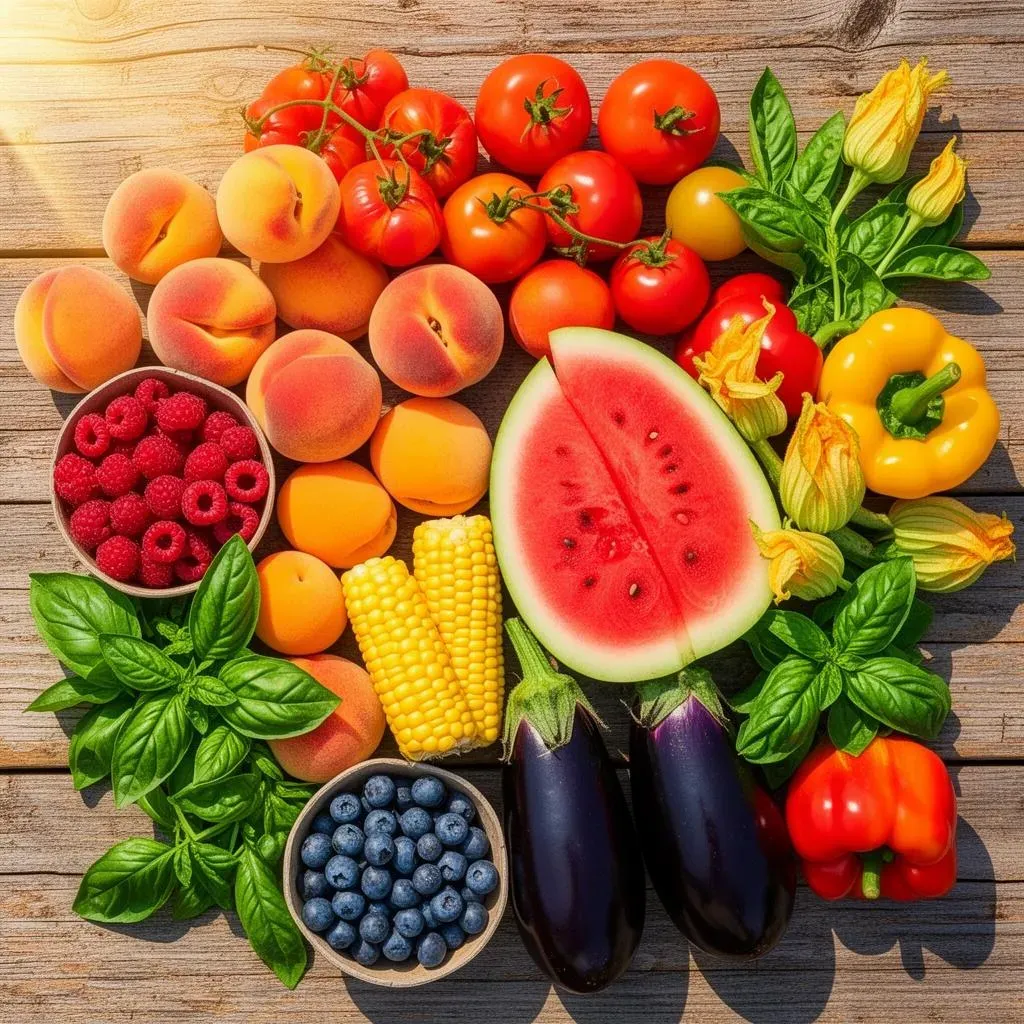
In summer, needs in water, electrolytes, and antioxidants increase significantly. Sweat rates can reach 1 to 2 liters per hour of effort, leading to massive losses of sodium, potassium, and magnesium. Fortunately, nature provides: summer fruits and vegetables contain on average 90 to 96% water and are loaded with essential minerals.
For athletes, summer often corresponds to the peak of the competitive season (athletics, trail running, triathlon, cycling, team sports in training camps). A diet rich in local produce loaded with water and antioxidants helps sustain intensity while accelerating recovery between sessions.
The Stars from July to September in Canton de Vaud
☀️ July: The Brightness
| Food | Key Micronutrients | Performance / Recovery Benefit |
|---|---|---|
| Tomatoes | Lycopene, vitamin C, potassium | Powerful antioxidant, cardiovascular protection, hydration |
| Peaches | Vitamin A, C, potassium, fiber | Hydration, quick energy, immune support |
| Apricots | Beta-carotene, potassium, iron | Cell protection, cramp prevention, energy |
| Raspberries | Anthocyanins, vitamin C, ellagitannins | Anti-inflammatory, muscle recovery, antioxidant |
| Zucchini | Potassium, magnesium, vitamin B6 | Hydration (95% water), cramp prevention, easy digestion |
🍉 August: The Abundance
| Food | Key Micronutrients | Performance / Recovery Benefit |
|---|---|---|
| Watermelon | L-citrulline, lycopene, water (92%) | ↓ DOMS, ↑ blood flow, optimal post-workout hydration |
| Melon (Charentais) | Beta-carotene, potassium, water (90%) | Hydration, electrolyte balance, vision and skin |
| Blueberries | Anthocyanins, vitamin K, manganese | ↑ Cognitive recovery, major antioxidant, vascular health |
| Eggplants | Nasunin, potassium, fiber | Neuronal protection, satiety, acid-base balance |
| Bell peppers | Vitamin C (140 mg/100g), beta-carotene | Collagen synthesis, immunity, tendon recovery |
🌽 September: The Transition
| Food | Key Micronutrients | Performance / Recovery Benefit |
|---|---|---|
| Fresh corn | Complex carbs, lutein, B1 | Sustained energy, eye health, glycogen recovery |
| Plums (Quetsche, Mirabelle) | Polyphenols, sorbitol, vitamin K | Digestive transit, antioxidant, bone health |
| Grapes | Resveratrol, glucose, fructose | Quick energy, cardiovascular protection, antioxidant |
| Figs | Calcium, magnesium, fiber | Bone health, cramp prevention, quick energy |
| Green beans | Vitamin K, folate, silicon | Bone and tendon health, cellular recovery |
💡 Did you know?
Watermelon is one of the richest dietary sources of L-citrulline, an amino acid precursor of nitric oxide. Studies (notably Tarazona-Díaz et al., 2013) have shown that consuming 500 ml of watermelon juice before intense exercise can reduce 24h muscle soreness and improve perceived effort. It is also an excellent way to rehydrate after training, with its 92% water content and natural minerals.
How to Integrate Them Into Your Meals
🌅 Summer Breakfast
- Fresh bowl: Greek yogurt + blueberries + raspberries + oats + honey + almonds
- Hydrating smoothie: watermelon + mint + lemon + whey protein + ice cubes
- Mediterranean toast: whole grain bread + sliced tomatoes + olive oil + basil + poached egg
🥗 Main Meals
- Complete salad: multicolored tomatoes + buffalo mozzarella + basil + grilled zucchini + olive oil
- Quick ratatouille: eggplant + zucchini + bell peppers + tomatoes + garlic + thyme (ideal cold after training)
- Fish + vegetables: Lake Geneva perch fillet + green beans + corn + lemon
⚡ Recovery Snacks
- Post-workout: watermelon slice (300g) + handful of walnuts + dark chocolate square
- Pre-workout: fresh apricots + almonds + plain yogurt
- Natural hydration: water + cucumber + mint + lemon + pinch of salt
Local Focus: Where to Find These Products in Canton de Vaud
Summer is when short supply chains truly shine: a fruit picked ripe in the morning and eaten the same day retains all of its aromas, vitamins, and antioxidants. Canton de Vaud offers a dense network of local producers particularly active during the summer season.
📍 Gland
Saturday morning market – local producers, summer fruits, melons, field-grown tomatoes. Pick-your-own farms nearby (Begnins, Prangins, Vich).
📍 Nyon
Grand Saturday market – one of the most beautiful in the canton. La Côte market gardeners, stone fruits, fresh berries. Raspberry and blueberry pick-your-own nearby.
📍 Morges
Wednesday and Saturday market – La Côte producers. Known for heirloom tomatoes, vineyard peaches, and local Charentais melons.
📍 Lausanne
Riponne and Palud markets – diversified offer. Specialized stands for Valais summer fruits (apricots, late strawberries) and cantonal produce.
The Off-Field Approach: Integrated Nutrition and Performance
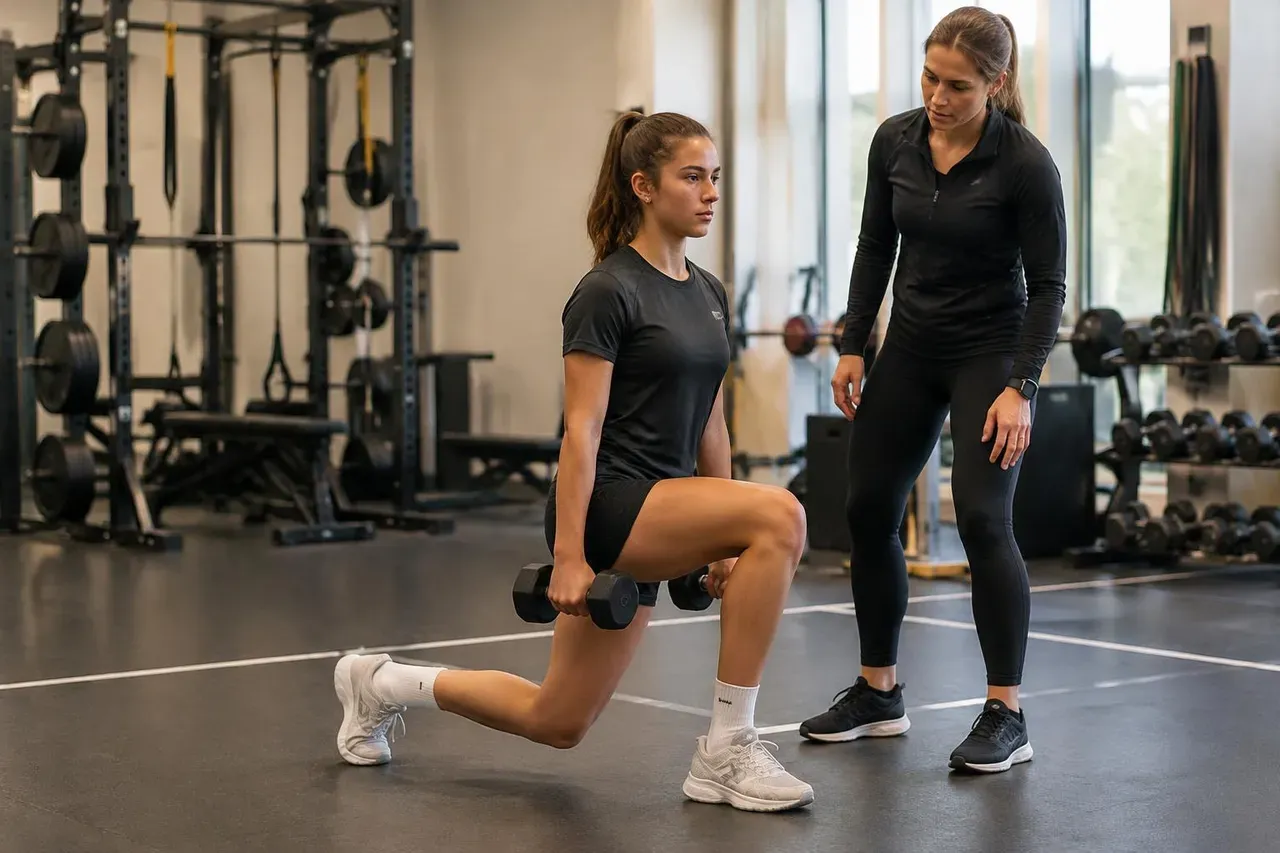
At Off-Field, we believe performance is also built on the plate. Our Personal Training programs include a personalized nutritional component that adapts to the seasons and your summer goals: cutting, bulking, preparing for a sporting event, or simply maintaining good hydration during heatwaves.
🎯
Nutritional Assessment
Analysis of your habits and personalized adjustments
📊
Integrated Tracking
Seasonal recommendations adapted to your training
💪
Measurable Results
Body composition, strength, and recovery objectively tracked
🚀 Ready to transform your nutrition?
Our coaches support you with a training program AND nutritional recommendations adapted to each season.
Frequently Asked Questions
What are the best summer fruits for muscle recovery?
Watermelon (L-citrulline, hydration), blueberries and raspberries (anti-inflammatory anthocyanins), and late cherries are the summer champions. Watermelon is particularly interesting thanks to its documented effect on reducing 24h muscle soreness.
How to hydrate well with fruits and vegetables in summer?
Aim for 5 to 7 portions of water-rich fruits and vegetables per day (watermelon, melon, cucumber, tomato, zucchini). This can cover up to 20-30% of your daily water needs while providing natural electrolytes (potassium, magnesium).
How many portions of fruits and vegetables per day for an athlete in summer?
The WHO recommends a minimum of 5 portions (about 120g each). For athletes during summer, aiming for 7 to 10 portions per day is optimal to cover increased needs in water, electrolytes, vitamins, and antioxidants linked to heat and training volume.
Is local really better than imported organic?
Especially for summer fruits (tomatoes, peaches, apricots, berries), yes. These products are ideally picked at full ripeness, maximizing aromas, vitamin C, and polyphenols. A ripe local fruit almost always outperforms an imported organic fruit picked unripe.
Is cooked tomato better than raw tomato?
For lycopene, yes: cooking (sauce, coulis) increases its bioavailability 3 to 4 times. For vitamin C, however, raw tomato is better. The ideal is to vary both: raw in salad and cooked in sauce, ideally with a bit of olive oil that improves lycopene absorption.
How to store summer fruits and vegetables to keep their nutrients?
Tomatoes keep at room temperature (never in the fridge, which destroys their aromas). Berries should be refrigerated and only washed just before eating. Stone fruits (peaches, apricots) finish ripening at room temperature then move to the fridge. For winter stocks: freeze berries or jar tomatoes.