Under 20, growing and training? Or the parent of a young athlete? Here is how much protein you need each day, how to spread it out, and why eating enough matters more than any powder.
In short
- First, eat enough: growing and training take a lot of energy. Without enough food, protein does less.
- Teenage athletes: about 1.4–1.5 g of protein per kg per day, even during the growth spurt. At 50 kg, that’s 70–75 g.
- That is more than for a young person who doesn’t do sport: 0.9 g per kg, the official benchmark used in Switzerland.
- Spread it over 4 moments: breakfast, lunch, after training and dinner.
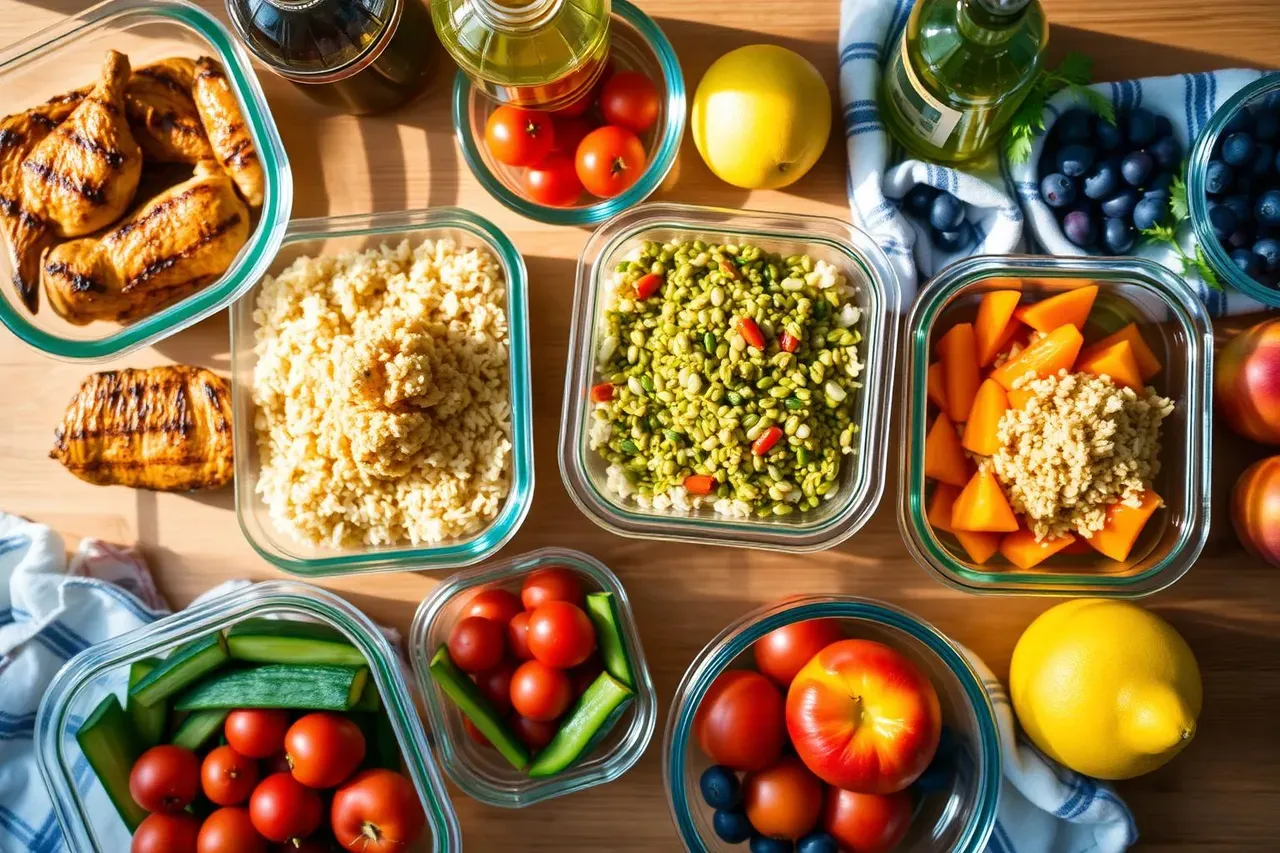
- Food first: milk, yogurt, quark, eggs, meat, fish, beans and lentils, tofu. A day of ordinary meals can be enough, with no powder.
- Under 18: no creatine or BCAAs. At the Shaker Club, your shake is made with protein only, with a parent’s consent.
- Heavy fatigue, repeated injuries, periods that stop: talk to your doctor.
Why are your needs different while you’re growing?
Before 20, your body is working on two building sites at once: it is growing (bones, muscles, organs) and adapting to your training. Sports Dietitians Australia (2014) puts it this way: young athletes have special needs, because they train and compete on top of growing.
The first need is energy. Think of a building site: protein is the bricks, but without fuel for the machines, the bricks stay on the pallet. In 14-year-old footballers, the body held on to more protein the more they ate of it, but also the more they ate enough to cover what they burned (Boisseau, 2007).
When an athlete doesn’t eat enough for their health, daily life, growth and sport, the International Olympic Committee calls it “Relative Energy Deficiency in Sport” (RED-S). It can affect metabolism, periods, bone health, immunity, muscle building and the heart (IOC, 2014), in girls as well as boys (IOC, 2023).
Remember: while you are growing, no diets and no skipped meals without a doctor’s advice. On heavy training days, you simply need more food.
How much protein a day, at your age?
For children and young people who don’t do sport, the official benchmark of the nutrition societies of Germany, Austria and Switzerland (D-A-CH) is 0.9 g of protein per kg per day from age 7 to 18 (0.8 g for girls from 15), then 0.8 g in adulthood.
A young athlete needs more. Two studies measured what the body actually keeps: in 14-year-old footballers, the recommended intake was 1.4 g per kg per day (Boisseau, 2007); in teenage sprinters, girls and boys, about 1.5 g was enough (Aerenhouts, 2013). So aim for about 1.4–1.5 g per kg per day.
Good news: there is no need to eat more during the growth spurt. In the Aerenhouts study, needs were the same during and after the spurt, and the authors conclude that protein should not be increased in those periods.
- Age 8–11Child0.9g per kg per day
- The official benchmark (D-A-CH): protein at every meal
- After sport: a glass of milk or a yogurt
- Age 12–17Teenage athlete1.4–1.5g per kg per day
- No more during the growth spurt
- No creatine or BCAAs before 18
- Age 18–19Young adult1.4–1.5g per kg per day
- Adult benchmarks apply too: 1.4–2.0 g per kg
- Creatine becomes an option: 3–5 g a day
In g per kg of body weight per day. Benchmarks: D-A-CH (the nutrition societies of Germany, Austria and Switzerland) for children and young people who don’t do sport, 0.9 g (0.8 g for girls aged 15–18); Boisseau et al. 2007 and Aerenhouts et al. 2013 for teenage athletes; ISSN 2017 for adults who train.
At 18 and 19, the same baseline works, and adult benchmarks apply too: 1.4–2.0 g per kg per day according to the International Society of Sports Nutrition (ISSN). Work out your own:
For 50 kg: 70 to 75 g of protein per day.
Benchmarks from two studies in teenage athletes (Boisseau, 2007; Aerenhouts, 2013), for young athletes aged 12 to 19. Under 12, the official benchmark is 0.9 g per kg per day (D-A-CH). Illness, medication or a special diet: ask your doctor first.
How should you spread protein over the day?
Not all in one meal: Sports Dietitians Australia advises young athletes to spread good-quality carbohydrates (energy) and protein over the whole day, especially right after training. In practice, 4 moments: breakfast, lunch, after training and dinner.
After sport, you don’t need large amounts. In children aged 9 to 13, 5 g of milk protein, drunk with carbohydrates after exercise, was already enough for the body to keep more protein than it lost, and the effect grew up to 15 g, the largest dose tested (Volterman, 2017). A large glass of milk and a plain yogurt come to about 15 g.
- Breakfast≈ 15 g50 g of rolled oats and 250 ml of milk
- Lunch≈ 30 g100 g of cooked chicken breast
- After training≈ 15 ga large glass of milk (250 ml) and a plain yogurt (180 g)
- Dinner≈ 21 g150 g of cooked lentils and 30 g of Gruyère
≈ 81 g of protein over the day: the 70–75 g target is met. Bread, pasta, rice and vegetables add more, and are not counted here. Values from the Swiss Food Composition Database (FSVO), rounded.
Where do you find protein?
Mostly on your plate, and not only in meat: dairy, eggs, fish, beans and lentils and tofu all provide it, and so do bread and oats. Here are some benchmarks from the Swiss Food Composition Database:
- Milk1 large glass (250 ml)≈ 8 g
- Plain yogurt1 pot (180 g)≈ 7 g
- Low-fat quark150 g≈ 16 g
- Cottage cheese100 g≈ 12 g
- Gruyère30 g≈ 8 g
- Chicken breast, cooked100 g≈ 30 g
- Cooked ham50 g≈ 10 g
- Salmon, steamed100 g≈ 19 g
- Lentils, cooked150 g≈ 13 g
- Firm tofu100 g≈ 15 g
- Rolled oats50 g≈ 7 g
- Wholemeal bread100 g≈ 9 g
Swiss Food Composition Database (FSVO, version 7.1, 2026), rounded values. On a pack, check the “protein” line.
Vegetarian? Dairy, eggs, beans and lentils and tofu do the job very well. You eat no animal products at all? Ask a dietitian for advice, to be sure you aren’t missing anything.
What about protein powder (whey)?
It isn’t necessary. For Sports Dietitians Australia, a young athlete’s needs should be met by core foods rather than supplements: recommending them to a young athlete gives them too much importance compared with training and diet. Swiss Sport Integrity, the Swiss anti-doping agency, agrees: a supplement can top up your diet but never replace it, and should only be considered when truly necessary, on a specialist’s advice.
Whey is milk protein in powder form. After training, a shake is handy when you have nothing else to hand; but a large glass of milk and a plain yogurt also provide about 15 g of protein.
At the Off-Field Shaker Club, under-18s get a shake made with protein only, without creatine or BCAAs, and with a parent’s consent. We choose products from the Kölner Liste, a list of tested products, to limit the risk of banned substances.
At the Off-Field Shaker Club, we make your shake after every session at the centre: protein only under 18, with a parent’s consent.
- 1 shake after every session at the centre
- Your Off-Field shaker, yours to keep, and a towel for every session
- With Strength & Conditioning Premium or PT Premium: a 1-hour test every 12 weeks on top, to measure your progress
In the app: the “Mes accès” page, then “Voir les offres”.
Not a client yet? Small-group strength & conditioning is open from age 12, personal training from age 8 (one-to-one): Premium can be added afterwards.
No commitment: stop whenever you like, effective at the end of the 28 paid days
Creatine, BCAAs and other supplements: what to do before 20?
- Under 18: no creatine or BCAAs. That is the Shaker Club rule; and elsewhere, no creatine without medical advice.
- At 18 and 19: adult benchmarks apply. According to the ISSN, creatine (3–5 g a day) is safe and well tolerated in healthy people: it is all explained in our guide protein, creatine, BCAAs: what to take, and when.
- If you buy a supplement: buy it in Switzerland, from a reputable seller. Swiss Sport Integrity advises against ordering from abroad (a .ch website doesn’t necessarily sell Swiss products) and against “lifestyle” products.
- You compete and could be tested? Choose certified products (Kölner Liste, NSF Sport, Informed Sport): an athlete who tests positive because of a supplement is still held responsible.
The risk is real: according to Swiss Sport Integrity, 5–20 % of supplements sold worldwide may be contaminated with banned substances. And in 2024, Swiss cantonal chemists tested 127 products from Swiss and Liechtenstein online shops: 89 % had to be banned from sale, because they contained ingredients that are prohibited or require authorisation.
Calcium, vitamin D, iron: why do they matter?
Sports Dietitians Australia recommends keeping an eye on young athletes’ calcium, vitamin D and iron, because they are more likely to fall short.
- Calcium builds bones. Dairy provides plenty: about 310 mg in a large glass of milk (250 ml), 250 mg in a plain yogurt (180 g) and 270 mg in 30 g of Gruyère.
- Vitamin D helps your body use calcium. It is made mostly in your skin, from sunlight.
- Iron carries oxygen in the blood. You find it in meat, fish, beans and lentils and wholegrains.
Often very tired, little sunlight or heavy periods? Talk to your doctor: a blood test shows whether you are missing anything.
When should you see a doctor?
Talk to your doctor if:
- you are tired all the time, or often ill;
- you get injured often, especially your bones (stress fractures);
- your periods become irregular or stop;
- you lose weight without meaning to, or stop improving despite training;
- you think about your weight or what you eat all the time;
- you have an illness, a milk allergy or a special diet.
Parents: 5 simple habits
- A proper breakfast, with milk, a yogurt, quark or eggs.
- A snack ready for after training: a large glass of milk and a yogurt, some quark, a cheese sandwich.
- A bottle of cool water, before, during and after sport: that is also advice from Sports Dietitians Australia.
- Portions that match training days: on busy days, they need more.
- No diets and no supplements without first talking to a doctor or a dietitian.
To go further: does strength training stunt growth? and choosing strength & conditioning for a teenager. At Off-Field, small-group strength & conditioning is open from age 12, and personal training from age 8, always one-to-one before 12.
Physical preparation near Gland?
Off-Field Center — Route des Avouillons 17c (Box 26-27), Gland · Mon–Fri 7am – 8pm · Sat 9am – 11am
Frequently asked questions
How much protein a day for a teenage athlete?
About 1.4–1.5 g per kg of body weight per day, according to two studies in teenage athletes (Boisseau, 2007; Aerenhouts, 2013): 70–75 g at 50 kg. That is more than for a young person who doesn’t do sport (0.9 g per kg, D-A-CH benchmark).
Do teenagers need more protein during the growth spurt?
No. In teenage sprinters, about 1.5 g per kg per day was enough, during and after the growth spurt (Aerenhouts, 2013). What matters most is eating enough to cover both growth and training.
Can a teenager drink protein shakes (whey)?
It isn’t necessary: food comes first. Whey is milk protein; a large glass of milk and a plain yogurt also provide about 15 g of protein. At the Shaker Club, under-18s get a shake made with protein only, with a parent’s consent.
From what age is creatine an option?
With us, not before 18: at the Shaker Club, a minor gets protein only, without creatine or BCAAs; elsewhere, no creatine without medical advice. From 18, adult benchmarks apply: 3–5 g a day (see our general guide).
My 10-year-old does a lot of sport: do they need more protein?
The official benchmark for a child is 0.9 g per kg per day (D-A-CH). The simplest approach: protein at every meal, and a protein food after sport, such as a glass of milk or a yogurt. In children aged 9 to 13, 5–15 g of milk protein after exercise already helped the body hold on to more (Volterman, 2017).
How can you tell if a young athlete is eating enough?
Warning signs: heavy fatigue, frequent illness or injuries (especially to bones), periods that become irregular or stop, weight loss, progress that stalls. If so, talk to a doctor.