The Winter Paradox
Winter is often seen as a "dead season" for food: less variety, less appetite, heavier dishes. In reality, it's the opposite for performance.
Why? Because winter highlights foods with high nutritional density (cabbage, root vegetables, hearty salads) and freshness becomes a concrete lever: the more a product has traveled/waited, the more certain sensitive micronutrients (especially vitamin C) decline.
If you train in Gland, Lausanne or on La Côte, you have a huge advantage: access to local produce (markets, producers, short circuits). This isn't an "eco" stance. It's a health + recovery + consistency strategy.
🎯 Goal of this guide: give you a simple (and applicable) plan to turn your winter meals into a results accelerator.
1) The Science of "Local" and Seasonal
Harvested closer, eaten faster = better real intake
Some vitamins (especially vitamin C) are fragile: storage, transport, light, time… it matters. Result: two "identical" products on paper aren't equal if one was picked 2 days ago and the other 10–14 days ago.
🎯 Performance translation:
- Better immune support (fewer interruptions)
- Better oxidative stress management (recovery)
- Better connective tissue support (tendons/ligaments)
Microbiome + winter fiber = anti-training-break shield
In winter, the real battle isn't "doing a perfect session." It's consistency. Fiber (cabbage, parsnips, celeriac, legumes, etc.) feeds your microbiome, which produces useful metabolites (e.g., short-chain fatty acids) involved in immune regulation.
🏃 Field translation:
- Fewer "small viruses"
- Better load tolerance (fatigue better managed)
- More stable transit (more stable energy)
Root vegetables and "systemic" recovery: the beet case
When we talk about "root vegetables," we often think "satiety" (true) but forget recovery. Practical example: beet (root) is studied for its potential in recovery after exercise-induced muscle damage (pain, performance decrease, etc.).
You don't need complicated supplements: regularly integrating beets / carrots / parsnips / celeriac already checks the boxes: fiber, polyphenols, micronutrients, more regular energy.
2) Vaud Superfoods in Mid-January
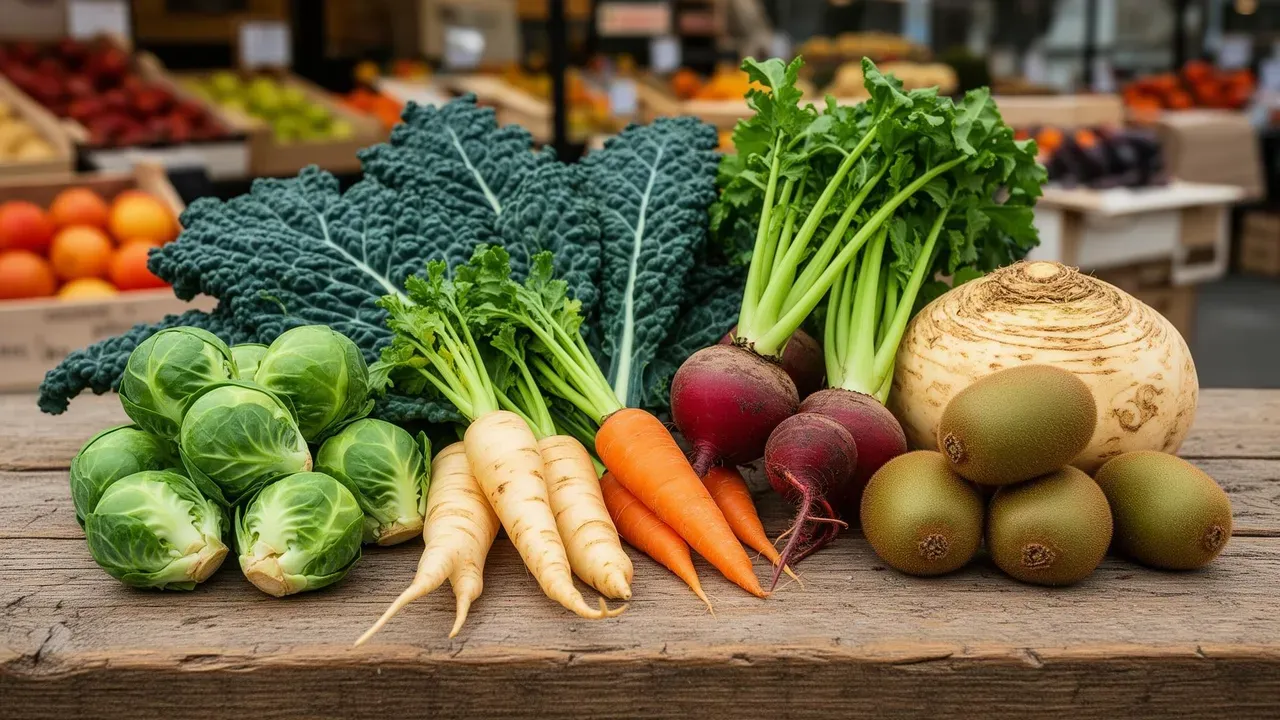
🥝 Aubonne Kiwi (La Côte): the local "tendons + immunity" star
Kiwi is one of winter's most interesting fruits for a simple reason: vitamin C + antioxidants + fiber.
And the performance link is direct: vitamin C is a mandatory cofactor in a key step of collagen synthesis (thus in tendon/ligament quality). If you're "just barely" on vitamin C, your connective tissues can be more fragile over time.
✅ Simple action:
- 1 kiwi at breakfast OR as a pre-session snack
- Smart combo: kiwi + yogurt/cottage cheese + nuts
Local note: On La Côte (Allaman region / Aubonne estuary), the Swiss kiwi industry is particularly concentrated (~400 tons/year, ~4 million kiwis): it's a real "local product."
🥬 Cabbage (kale, Brussels, cauliflower): the "immunity + recovery + volume" weapon
Cabbage is a winter food that wins on multiple fronts: large food volume (satiety), fiber (microbiome), useful micronutrients for effort, easy cooking (oven / steam / wok).
✅ Simple action:
- 2–3 times/week: roasted cabbage (rapeseed oil + spices + salt)
- Or "clean" stew: cabbage + potatoes + lean protein
🥕 Root vegetables (celeriac, parsnips, carrots, beets): stable energy
Root vegetables are your allies when you have long days, late training, or a tendency to snack. Fiber (especially soluble) helps smooth the glycemic response and hold without crashing.
✅ Simple action:
- Replace 1 portion of "fast" starch with a base of roasted root vegetables
- Keep a protein source at each meal
🥗 Lamb's lettuce (mâche): the "zero excuse" winter salad
Lamb's lettuce is perfect for winter: available, easy, no sophisticated recipe needed.
✅ Simple action:
Express salad bowl: lamb's lettuce + apples + walnuts + cheese (or tofu) + rapeseed oil + vinegar
🎯 Nutrition & training coaching
Want to stop "eating well for 3 days then crashing"? The problem isn't motivation. It's the system.
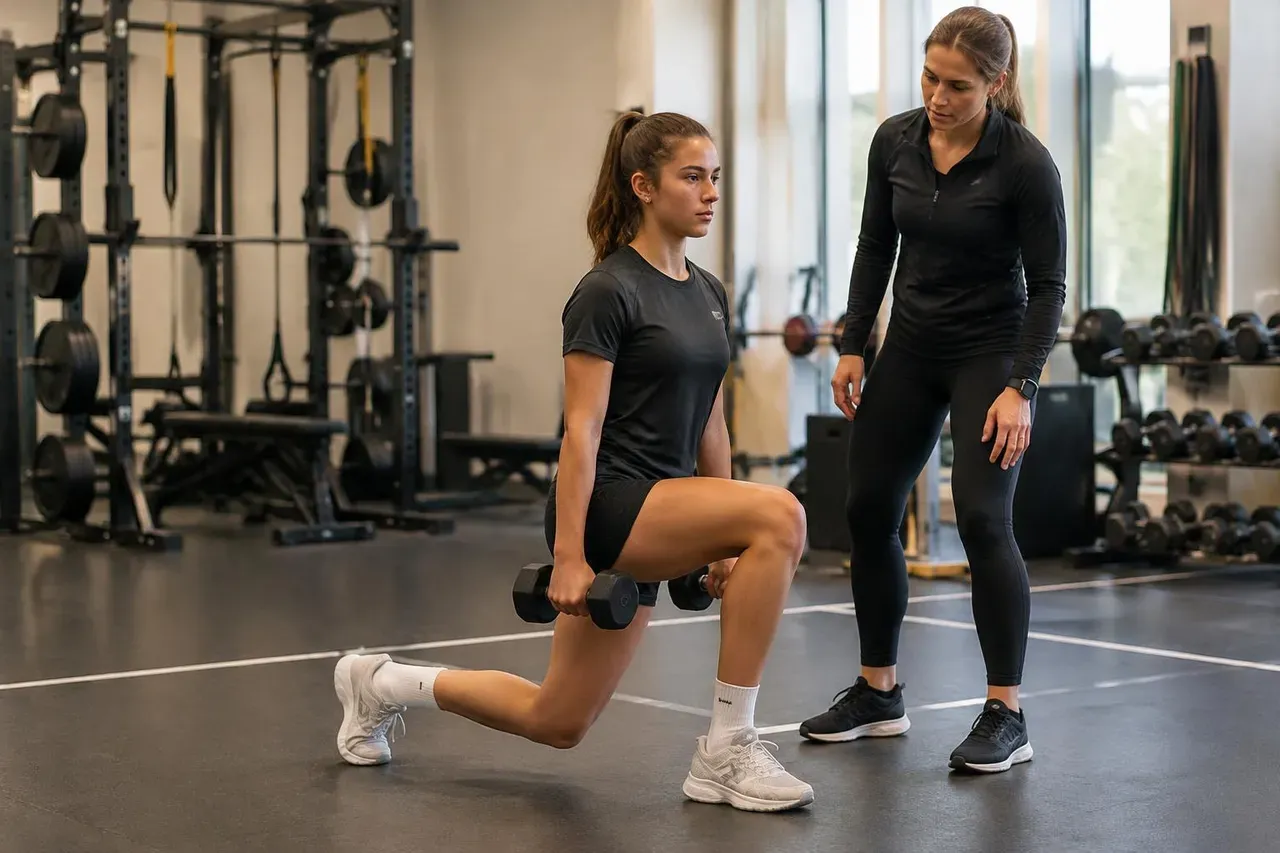
Personal training at Off-Field uses seasonal nutrition as a pillar: simple, repeatable, compatible with real life.
Discover personal training3) How to Integrate Them (Gland/Lausanne) Without Spending 2 Hours
The minimalist action plan (that works)
Rule #1: 5 portions/day
Practical goal: 1 portion = ~120 g (a good "fist"). Aim for 3 portions of vegetables + 2 fruits.
Rule #2: the plate "base"
- 1/2 plate: vegetables (cabbage + roots + lamb's lettuce)
- 1/4: proteins
- 1/4: starches (adapted to your load)
- 1–2 tbsp: rapeseed oil (local + useful)
🍲 Recipe: "The Vaud Athlete Bowl" (2-day batch-cooking)
Ingredients (4 portions)
- Parsnips + carrots + beets + onions (or celeriac)
- Rapeseed oil, salt, paprika, herbs
- Protein: chicken/eggs/tofu/fish
- Option: chickpeas (fiber + protein)
Steps
- Cut everything, oil, season
- Oven 35–45 min
- Assemble: roasted roots + protein + fresh lamb's lettuce on top
- Dessert: 1 kiwi (simple, effective)
Where to buy (Winter 2026): Gland, Lausanne, Morges
📍 Gland Market
Wednesday 4:00-7:00 PM
Convenient after work
📍 Lausanne Markets
Wed + Sat 7:30 AM-1:00 PM
Perfect for weekly stock
📍 Morges Market
Wednesday morning (Nov–Mar)
Efficient La Côte alternative
💡 Tip: "repeatable" list (not a Pinterest list)
- 2 cabbages
- 1–2 kg mixed roots
- 1 lamb's lettuce
- 6–10 kiwis
- 2 proteins (e.g., eggs + poultry / tofu + fish)
💪 Personal Training Vaud (Gland)
Want to stop guessing? Private session in Gland: 120 CHF (or Performance Member Subscription). We align training + recovery + nutrition (no folklore).
Book a private session in Gland4) The Off-Field Approach
At Off-Field, nutrition isn't a PDF "to follow." It's part of the performance system:
⚡ Secure energy
Avoid roller coasters
🔄 Support recovery
Less unnecessary pain
🛡️ Reduce interruptions
Immunity + routine
📈 Lasting results
Not 2-week peaks
Local in winter (Gland/Lausanne/La Côte) is a shortcut: less friction, more consistency, more results.
Conclusion
If you only remember one thing: winter is a competitive advantage season.
Cabbage, root vegetables, lamb's lettuce, and La Côte kiwi aren't "just healthy": they're practical, performant, and available.
📞 Ready to transform your health this winter?
Book your qualification call for the next available slot in Gland.
Book my qualification callFAQ
Which winter vegetables are best for performance?
Cabbage (kale, Brussels sprouts), root vegetables (parsnips, celeriac, beets), hearty salads (lamb's lettuce). They combine fiber + micronutrients + satiety.
Does kiwi really help tendons?
Yes: vitamin C is a key cofactor in a step necessary for collagen synthesis (tendons/ligaments). Kiwi is a simple option in winter.
How many fruit/vegetable portions per day in Switzerland?
Basic goal: 5/day. One portion is about 120 g (practical benchmark).
Market or supermarket: real difference?
Yes, especially for fragile products: time and storage can reduce some micronutrients. "Local + fast" increases your chances of better real intake.
Sources
- Swiss Nutrition Society (SGE) - "5 a day" benchmark + portion ≈ 120 g
- Federal Food Safety Office (BLV) - Nutritional balance
- PubMed - Vitamin C decline during storage depending on conditions
- PubMed - Beet and post-muscle damage recovery
- MDPI Nutrients - Polyphenols and muscle function recovery
- OUP Academic - Fiber, short-chain fatty acids and immune regulation
- Kiwi Suisse - Allaman estate: ~20 hectares, ~400 tons/year
- Lausanne Tourism - Lausanne markets
- City of Morges - Market registration