
Do you think your Sunday jog or daily cardio session is enough to keep you healthy until you're 100? Think again.
We live in an era where we often seek miracle solutions: dietary supplements, vitamin infusions, or expensive treatments to extend life. Yet, as this phrase so aptly summarizes: "Longevity isn't sold. It's earned through sweat."
But be careful, sweating doesn't mean doing just anything. To build a body capable of lasting, running alone isn't enough. You need a comprehensive strategy. Let's decode a health approach that goes beyond simple cardio.
The "Active Couch Potato" Trap
It's a paradox that surprises many: you can be athletic and sedentary at the same time.
Imagine a typical day: you sleep 8 hours, you do 1 hour of intense exercise, but you spend the remaining 7 to 10 hours sitting behind a desk, in your car, or on your couch. According to experts, sitting more than 7 hours a day poses major health risks, even if you do your daily hour of exercise.
As nutritionist Anthony Berthou points out, "Sedentary behavior has become the norm, but normalcy is not sedentary". Our body is a machine designed for movement, not for sitting. In fact, it's often said today that "sitting is the new smoking".
The solution?
Don't rely solely on your evening workout. Try to move every 30 minutes. Stand up, stretch, walk. It's this constant movement that fights the harmful effects of sitting.
Why Running Isn't Everything (The Importance of Strength Training)
Running is great for your heart. But if that's all you do, you're neglecting an essential half of your health: your muscles.
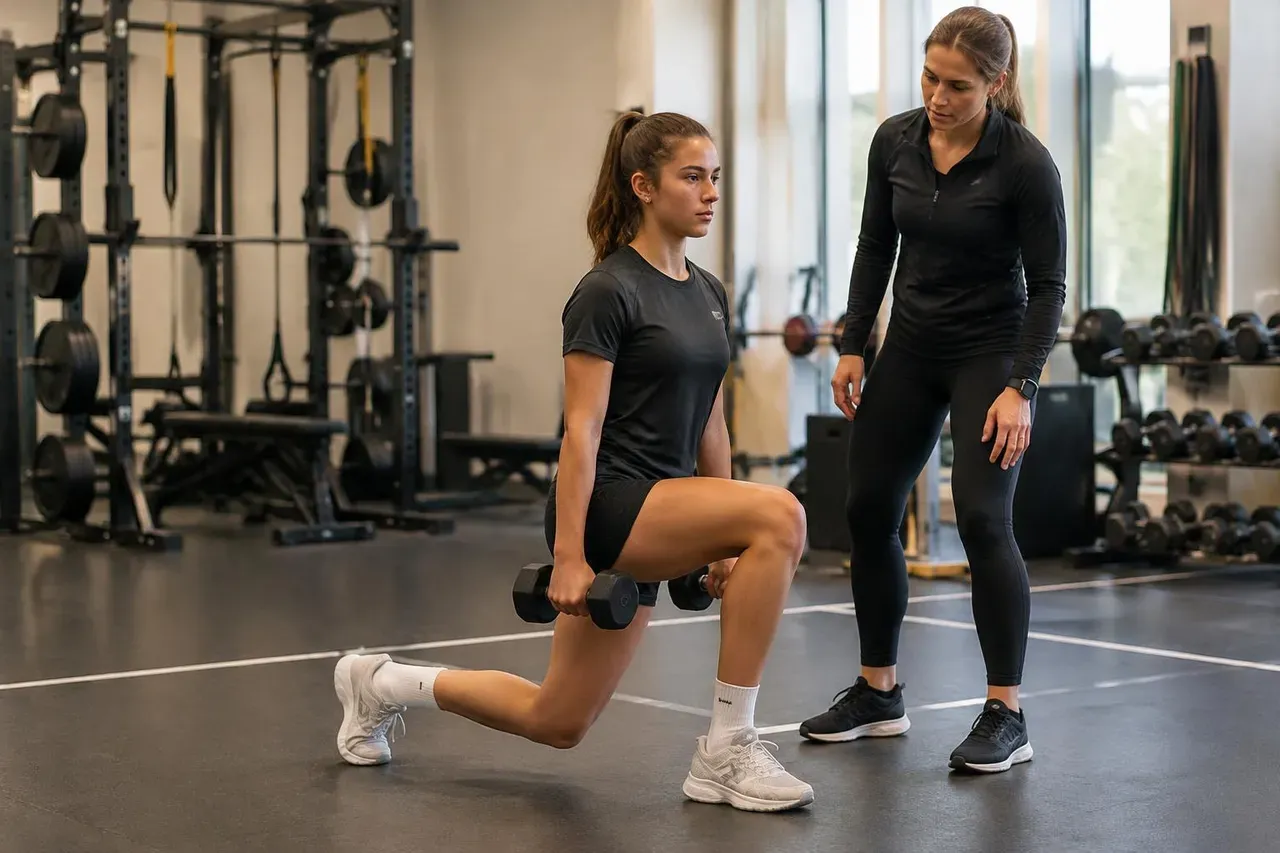
Modern society is "de-adapting" us. We no longer carry heavy loads, we no longer climb. Result? Our bodies weaken. This is where resistance training (weight training, strengthening, working with loads) comes in.
Here's why it's non-negotiable for your longevity:
1. Muscle: Your Armor Against Time (and Osteoporosis)
With age, our bones can become fragile and porous, a bit like chalk. This is called osteoporosis. The best way to prevent this? Strength training.
When you contract your muscles against resistance, it pulls on the bone and sends a signal: "Strengthen up, we need solidity!". Without this signal, the bone becomes fragile. Building muscle mass isn't just aesthetic, it's a survival factor.
2. Muscle Talks to Your Brain
For a long time, we believed that muscle was just a piece of meat that helped us move. Wrong! Muscle is an intelligent organ. When it works, it transmits millions of pieces of information to the entire body. It releases substances (myokines) that have a direct impact on your mental health and protect against neurodegenerative diseases.
A strong body builds a resilient brain.
Vary to Last: The Art of Intensity
To be in full health, your body must know how to do everything. If you always do the same thing (always the same running speed, or always the same weights), your body gets used to it and no longer progresses.
The secret of longevity lies in variety:
- Vary intensities: Sometimes very gentle (fundamental endurance), sometimes very intense (intervals, sprints).
- Vary recruitment: Use different muscles, different angles, different movements.
It's this adaptability that keeps your metabolism young and responsive.
How to Implement This?
Let's be honest: finding the balance between cardio, strength, mobility, and daily activity is a puzzle. That's often why we end up only doing what we like (just running or just lifting weights), missing out on the real health benefits.
At Off-Field, we don't sell magic, we build your health capital.
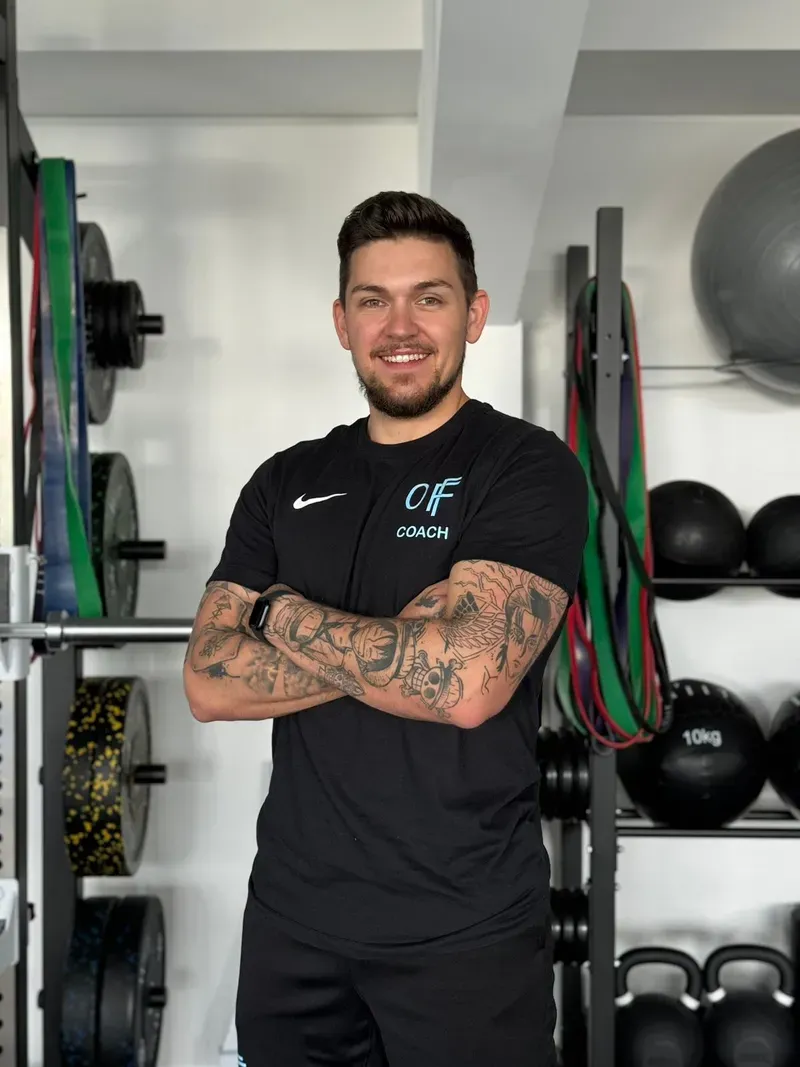
Our coaches are experts at creating this perfect architecture:
- 1. Get you out of sedentary behavior.
- 2. Integrate intelligent strengthening to protect your bones and back.
- 3. Calibrate intensities to boost your heart without exhausting you.
Ready to invest in the only thing that can't be bought?
Call us directly at +41 76 843 45 54 or leave us a WhatsApp message and we'll respond within 24 hours!
Key Takeaways
- Move often: 1 hour of exercise doesn't compensate for 10 hours of sitting. Stand up every 30 minutes.
- Strengthen yourself: Weight training is vital to prevent osteoporosis and protect the brain.
- Vary everything: Change intensity and exercises so your body doesn't fall asleep.
- Get guidance: An intelligent program is better than scattered efforts.