We can now measure a huge amount in an athlete: speed, accelerations, distance, strength, asymmetries, sleep, fatigue, heart rate, injury history. With enough data, one idea becomes very appealing: what if we could predict injuries before they happen? In reality, it is far more complicated.
What the professional rugby study shows
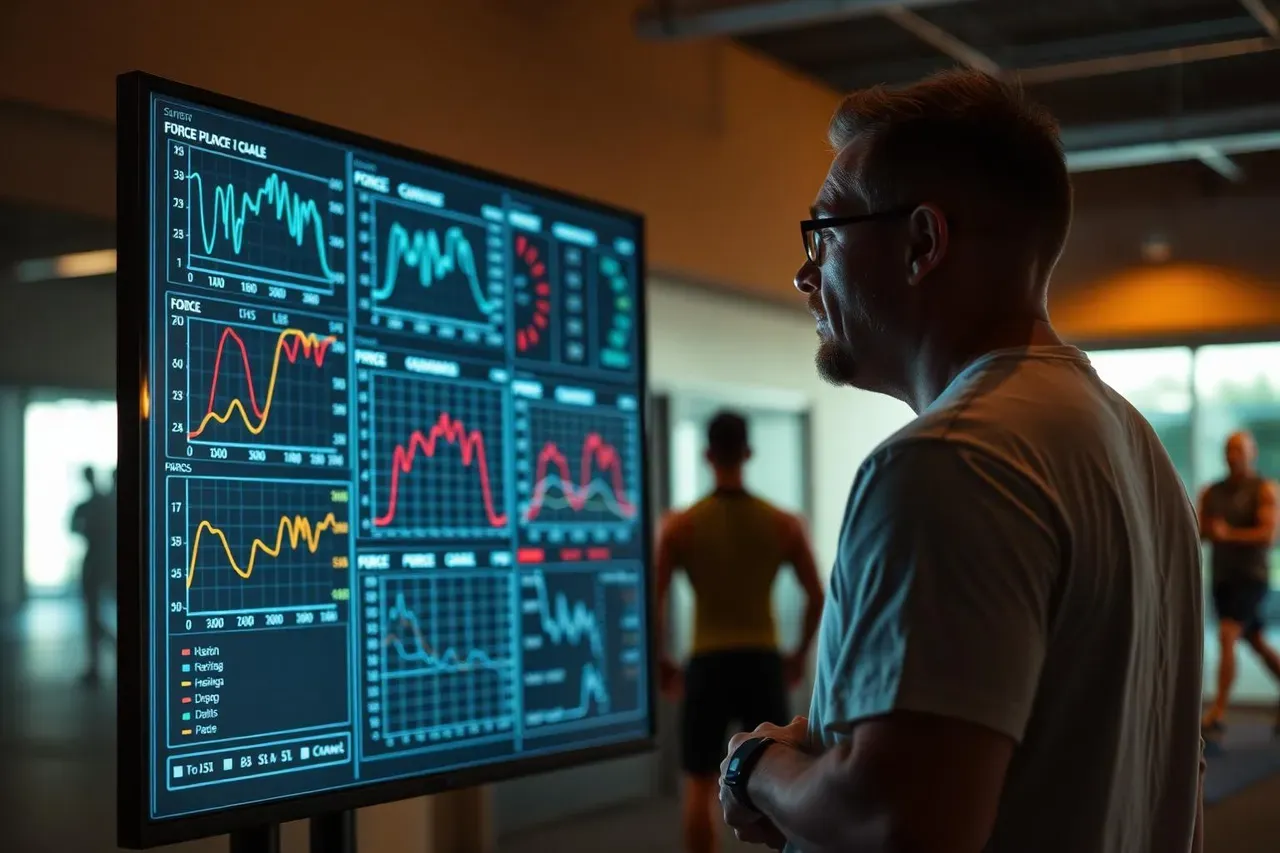
A 2026 study in Sports Medicine – Open illustrates it perfectly. Researchers used three full seasons of data from Irish professional rugby: 129 players across the four professional provinces and the national team. GPS data (close to 48,000 monitored sessions), wellness questionnaires, musculoskeletal screening and injury history.
Several machine learning models then tried to predict non-contact lower-limb muscle injuries. The result? Even the best model was very poor at actually identifying the player who was going to get injured.
One good prediction… and 77 false alarms
The most telling number isn't the model's statistical score. It's this one: for every injury correctly anticipated, the system produced roughly 77 false alarms.
Picture it in a performance centre. The algorithm says "high injury risk". You reduce training. Nothing happens. The next day, another alert. You modify the session again. Still nothing. Eventually the tool meant to improve decisions just creates noise — and people stop listening.
🔑 Key takeaway
- • More data ≠ better prediction.
- • A model crying wolf 77 times per real alert becomes unusable.
- • A precise number is not necessarily accurate information.
Why is it so hard?
Because an injury is never the automatic result of a single variable. One athlete can have an asymmetry and never get hurt. Another can be tired and tolerate the session perfectly. A third can test excellently and get injured on an ordinary acceleration.
Context matters. History matters. Load matters. Recovery matters. Tissue properties matter. Technique matters. The sport matters. And some uncertainty will always remain — that's exactly what the "complex systems" view of injury describes: interactions, not a simple chain of causes.
Despite unusually rich data, predictive capacity stayed low. That doesn't mean it will always be impossible. It means we are very far from a magic button announcing that an athlete will be injured tomorrow.
So what is all this data good for?
A great deal — just not for predicting the future with certainty. Take a concrete example. An athlete has had a stable strength value for months. Suddenly it drops sharply. That's interesting information. But it doesn't mean "you will get injured". It means:
💡 The right reading
"Something changed. Let's try to understand why."
Is he tired? In pain? Has he played a lot? Was the test reliable? Did he sleep? Is it simply a bad day? And above all: should this change what we had planned today?
🎯 An objective baseline, not a crystal ball
The Full Test (2 h, in Gland) measures your strength, power, asymmetries and mobility. It doesn't predict the future: it creates a reference point so we can spot what genuinely changes in you, and adjust in time.
Book my Full TestAI should support decisions, not make them
At Off-Field we believe in the potential of technology. We already use tools that precisely measure strength, power and other physical qualities, and AI will play a growing role in analysing that information.
But our view differs from a system that simply displays "injury risk: 82%". That number feels precise. If the precision isn't real, it becomes dangerous.
✅ What we want from AI
"Here is what changed. Here is what falls outside this athlete's normal. Here are the questions you should be asking."
❌ What we reject
An oracle announcing a risk percentage and replacing the reasoning of a coach or health professional.
Preventing stays different from predicting
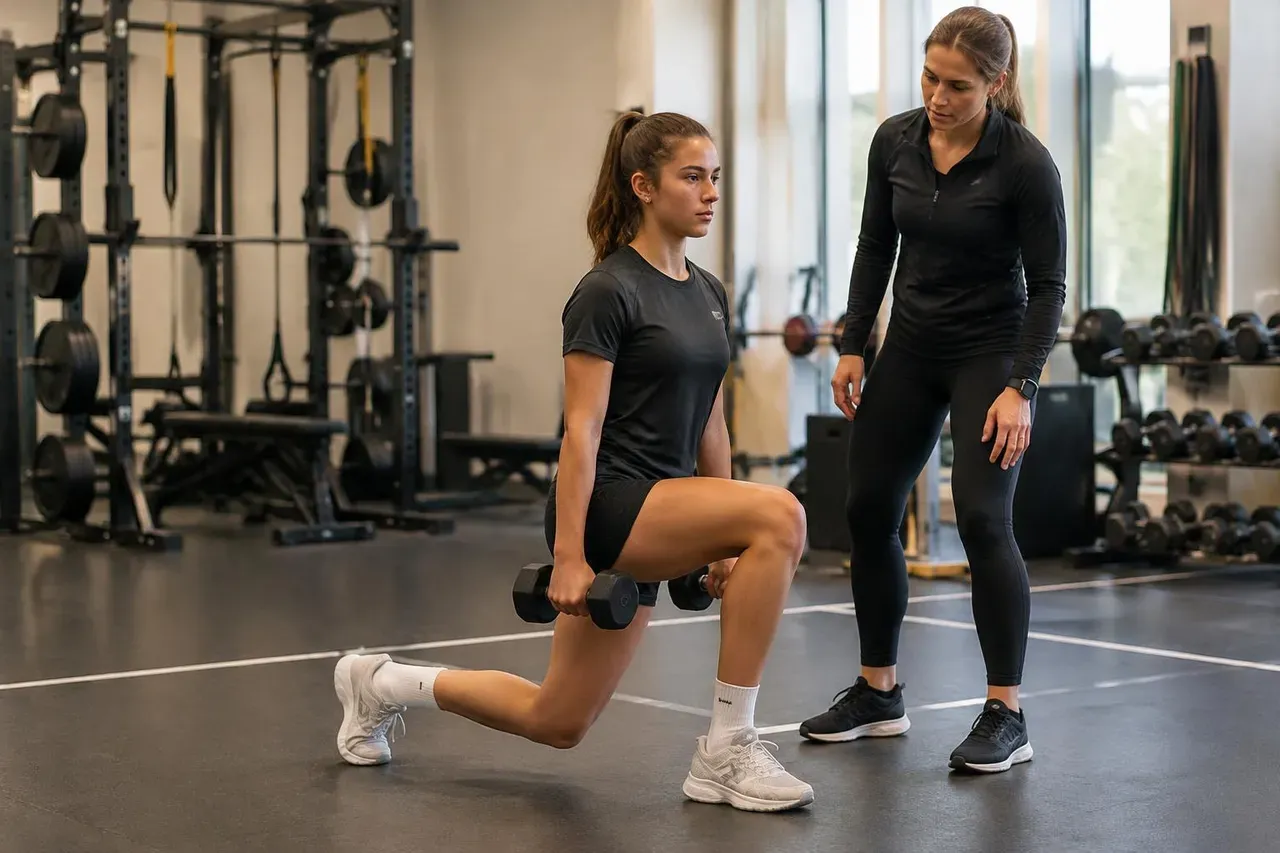
We can try to reduce risk: build strength progressively, expose tissues to load, expose athletes enough to speed, manage progressions intelligently, rehabilitate properly, educate the athlete, improve recovery.
But reducing risk is not the same as predicting exactly when an injury will happen and to whom. That nuance matters — in physical preparation as much as in sports physiotherapy.
Key points
- ✅ No current model reliably predicts an individual injury.
- ✅ 77 false alarms per true one: noise destroys decision-making.
- ✅ Injury is multifactorial, not an equation.
- ✅ Data helps spot change, not foresee the future.
- ✅ Reducing risk: yes. Predicting the event: not yet.
FAQ
Can artificial intelligence predict my injuries?
Not today, not reliably. Across three seasons of professional rugby with very rich data, the best models produced roughly 77 false alerts for every injury correctly anticipated.
What are strength, sleep and load data useful for then?
To spot what changed in you. A drop in strength doesn't mean "you will get injured", it means "something changed, let's understand why".
Is preventing an injury the same as predicting it?
No. You can reduce risk through strength, progression, load exposure and recovery. That's very different from knowing when and to whom an injury will occur.
🎯 Measure to decide better
All our programmes start with a Full Test in Gland, followed by an individualised plan that addresses your real limiting factor.
Book my Full TestSources: Leckey C. et al., Machine Learning Model Development and Evaluation for Non-contact Lower Limb Injury Risk Prediction in Elite Male Rugby Union (Sports Medicine – Open, 2026, DOI: 10.1186/s40798-026-01060-7); Bittencourt N. et al., Complex systems approach for sports injuries (BJSM, 2016); Impellizzeri F. et al., Training load and injury: causal pathways and future directions (Sports Medicine, 2022).