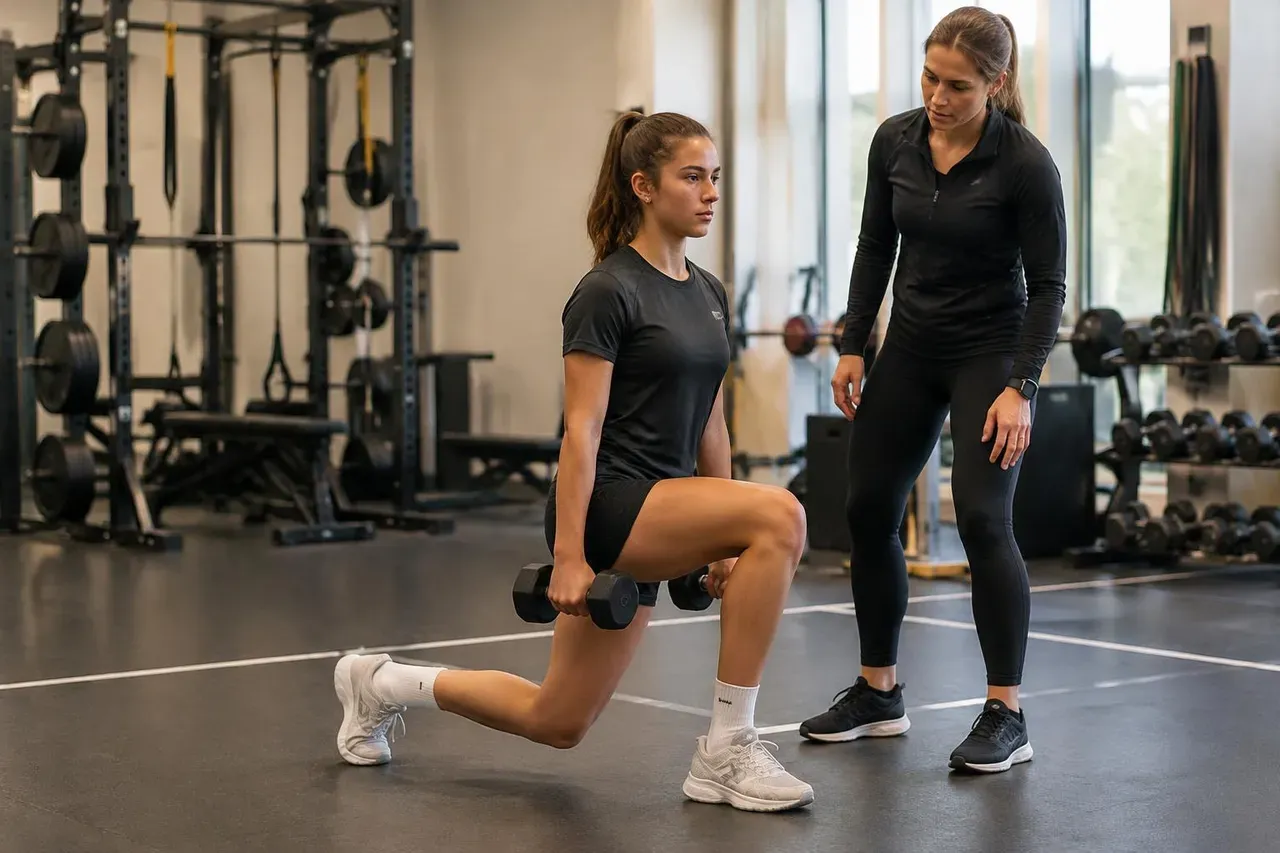

Holidays often mean less training... and more sitting (car, plane, lounge chairs). The result when you return: stiffness, feeling "rusty," sometimes pain that sets in (back, hips, shoulders, knees).
The right approach isn't "zero exercise" or "compensate like crazy." It's active recovery: moving just enough, at the right time.
🎯 Want a structured return without injury?
FAST BOOKING PHYSIOPassive Rest vs Active Recovery: The Real Difference
😴 Passive Rest
You stop (or move very little).
- • Useful for 24–72h if you're really exhausted
- • Less useful if prolonged: stiffness, loss of mobility
- • Harder return to activity
🔄 Active Recovery
Low intensity movement, low stress, high benefit.
- • Boosts circulation (muscle recovery)
- • Maintains useful mobility
- • Prepares for progressive return
Scientific research shows that active recovery accelerates muscle recovery by improving blood circulation and reducing soreness.
The 3 Simple Rules (Avoid 80% of Mistakes)
10 min
per day > 0 minutes. Consistency wins.
0
sharp pain. Mild discomfort OK, pain = adapt.
4
priority areas: hips, thorax, ankles, shoulders.
Off-Field Routine: 10 Minutes / Day (Mobility + Stretching)
Do it morning or evening. No equipment needed.
1️⃣ Breathing + Unlock (1 minute)
Lying on back, knees bent: inhale 4 sec (nose), exhale 6 sec.
2️⃣ Hips (3 minutes)
- 90/90 rotations: 6 slow reps per side
- Hip flexor lunge: 30 sec / side (neutral pelvis, no arching)
3️⃣ Thorax + Shoulders (3 minutes)
- Open book (thoracic rotation): 6 reps / side
- Wall slides: 8 controlled reps
4️⃣ Ankles + Calves (2 minutes)
- Knee to wall: 8 reps / side
- Calf stretch: 30 sec straight leg + 30 sec bent leg
5️⃣ Light Activation (1 minute)
- Glute bridge: 10 reps
- or Dead bug: 6 reps / side
Stretching: What to Do (and Avoid)
✅ Do
- • Gentle, progressive, calm breathing
- • 20–40 seconds, 1–2 sets
- • Bearable sensation, no pain
❌ Avoid
- • Forcing when cold
- • Seeking max range as a goal
- • Aggressive stretches on painful areas
For more detailed stretching guidelines, check the American College of Sports Medicine recommendations.
Bonus: Optimize Without "Training"
🚶 Option A — Easy Walk
20–40 min, 3–5 times/week.
💪 Option B — Mini Full Body (12–15 min)
- • Bodyweight squats 2×10
- • Incline push-ups 2×8
- • Hip hinge 2×10
- • Plank 2×30 sec
2–3x/week
The 3 Mistakes That Ruin Your Return
1. Returning at full intensity on the first session
2. Strong stretching + fatigue
3. Ignoring warning signs (increasing pain, swelling, instability)
Return Checklist
- ☐10 minutes mobility/stretching per day
- ☐Progressive return over 7–14 days
- ☐Sharp pain = adapt
- ☐1–2 easy walks/week if possible
Looking for personalized guidance for your return? Our team of physiotherapists and physical coaches can help you return safely.
Ready to return without injury?
FAQ
What exactly is active recovery?
Light, structured movement to improve recovery, maintain mobility, and facilitate a progressive return.
Complete rest or active recovery?
Complete rest is useful for 24–72h if exhausted. Otherwise, active recovery is usually the best compromise.
Should I stretch every day?
Yes if gentle/progressive. No if you're forcing or triggering sharp pain.
When to consult?
If pain > 7 days, night pain, radiating pain, swelling, instability, or strength loss.