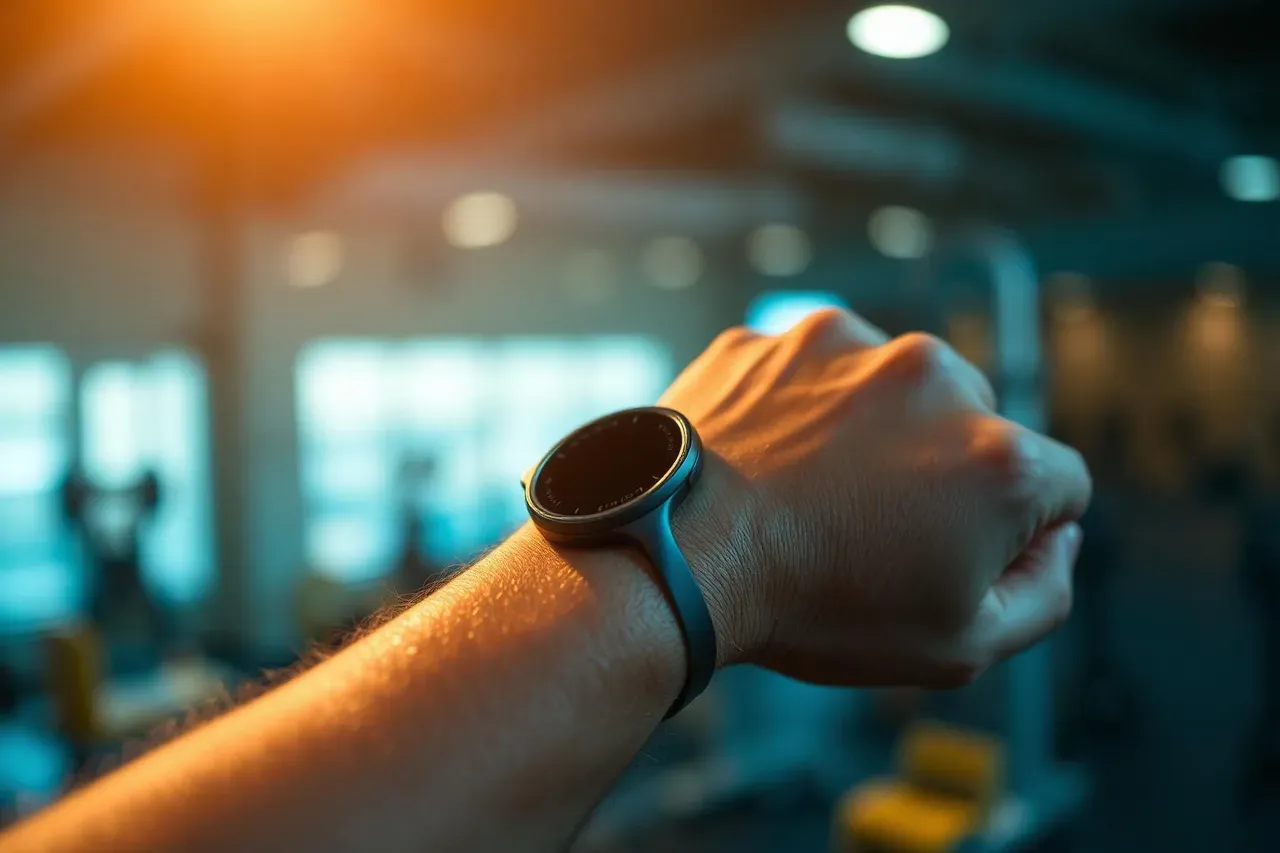
You wake up. You feel pretty good. You open the app. And there it is: Recovery: 41%. A few seconds earlier you were going to train normally. Now you hesitate. Welcome to one of the new problems created by connected watches and sensors.
Wearables can be extremely useful
Let's be clear: modern watches, rings and sensors provide genuinely interesting information. Heart rate, sleep, heart rate variability (HRV), training volume, distance, speed, multi-week trends. All of it helps an athlete understand their behaviour and recovery better.
The problem appears when information becomes a verdict. A recent Sports Medicine – Open paper even proposes a term for this counterproductive fixation on digital metrics: orthometria. The authors are explicit that it is not a medical diagnosis but a behavioural concept describing situations where measurement starts creating anxiety or negatively changing behaviour.
Your "recovery score" isn't a direct measurement
This is probably the most important nuance. Heart rate is a measurement. Estimated sleep time is a measurement. But a score like "Recovery = 62" is different: it combines several inputs inside a manufacturer's own algorithm.
Those algorithms are often hard to scrutinise independently and their exact workings aren't always public. The authors stress that composite scores should be treated as interpretive guides, not objective physiological truths. The number is precise. That doesn't mean the reality behind it is.
🔑 Measurement ≠ score
- • Measurement: heart rate, time in bed, raw HRV.
- • Score: composite, proprietary, unverifiable interpretation.
- • A number precise to the unit is not necessarily accurate.
A bad night is a bad night… but not necessarily a problem
The human body varies enormously day to day. Heart rate varies. HRV varies. Sleep varies. Fatigue varies. That variation is normal — which is why the authors recommend interpreting data over time rather than reacting to each daily value.
One poor night in the middle of three normal weeks shouldn't change your whole programme. On the other hand:
- • sleep gradually deteriorating;
- • rising fatigue;
- • declining performance;
- • high stress;
- • unusual pain;
- • several metrics moving together over several days
…start telling a much more interesting story. See also our article on sleep, performance and healing.
🎯 Data that actually supports decisions
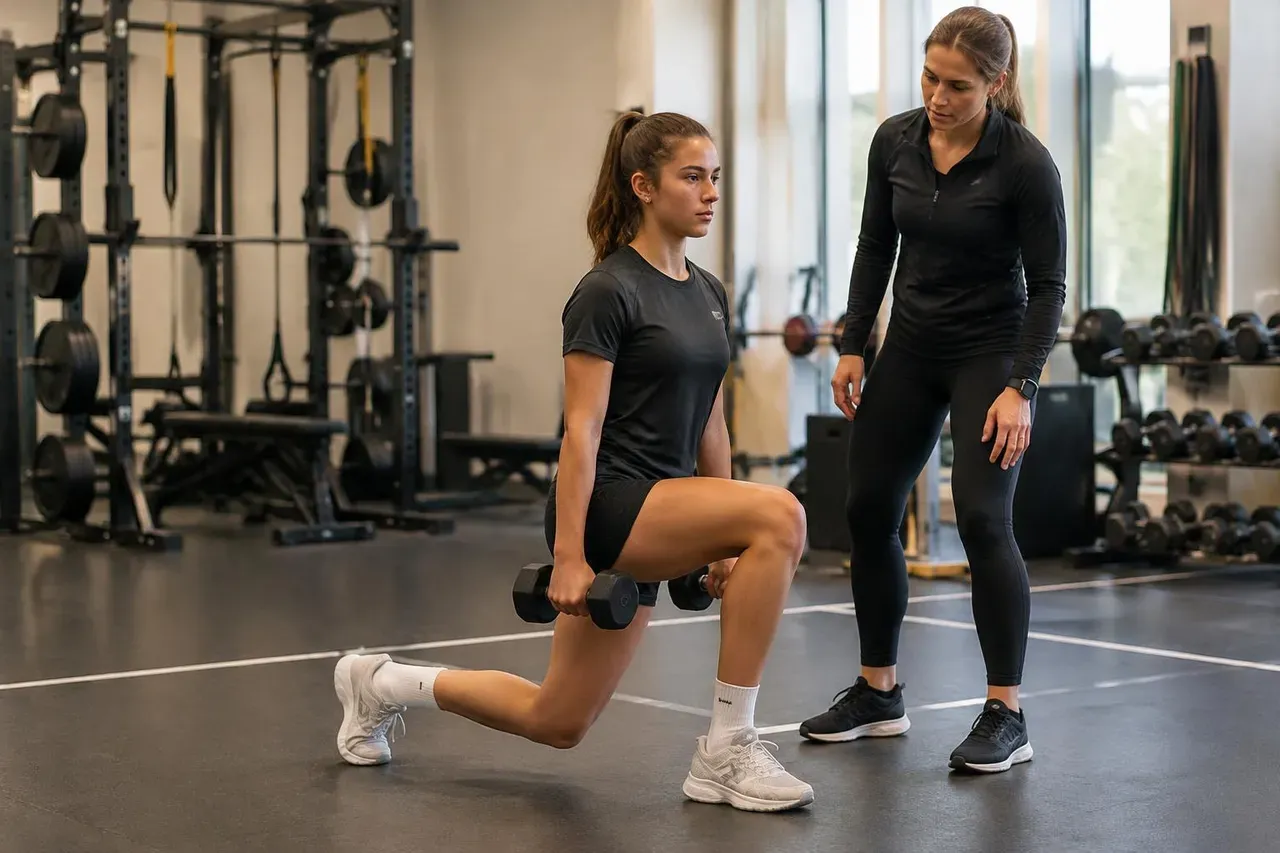
The Full Test (2 h, in Gland) objectively measures strength, power and asymmetries. Combined with how you feel and your real load, that's what allows smart programme adjustments — far more than a morning score.
Book my Full TestWhat if I feel good and my watch disagrees?
This is exactly the situation to learn to handle. The authors consider disagreement between feel and digital data normal, and not automatically a problem.
If you feel great but your watch reports poor recovery, it doesn't necessarily mean "the watch knows something my body doesn't". The reverse is equally true: a great score shouldn't convince you everything is fine when you're exhausted, sore or ill. Both sources matter.
Four questions before changing your session
1. Isolated value or trend?
One day is far less informative than several days or weeks.
2. How do I actually feel?
Fatigue, motivation, pain, stress and general sensation remain major information.
3. Has my performance changed?
An unusual drop on familiar exercises is independent information.
4. Is there an obvious explanation?
Travel, alcohol, work stress, a child not sleeping, a hard session yesterday, illness, jet lag.
The risk: no longer listening to your body
Here's the paradox. We buy a watch to know ourselves better… then end up asking it how we feel. An athlete can wake up fresh, see a bad score, and start feeling tired because the app said they should be.
Technology meant to increase autonomy then produces the opposite effect. That's precisely what researchers want to avoid with the concept of orthometria.
How we prefer to use data at Off-Field
Our logic is simple: data should add context, not remove it. We look at the trend, how the athlete feels, performance, recent load, personal situation and goals. Then we decide.
Sometimes the data changes the session. Sometimes it just triggers a conversation. And sometimes we change nothing at all. That too is using technology intelligently — the same logic we apply in physical preparation and personal training.
Your watch should stay a tool
Wearables will keep improving and can clearly help us understand certain trends. But even the best watch doesn't know your whole story: it doesn't know why you're stressed, doesn't fully understand your pain, doesn't know what your day really contained.
- ✅ Look at your data — but learn to read it.
- ✅ Favour the trend over today's value.
- ✅ A composite score is an interpretation, not a truth.
- ✅ Your feel and your performance remain front-line information.
- ✅ Never let an isolated number decide for you.
FAQ
Should I cancel a session when my watch shows a bad score?
Not automatically. A single score means far less than a trend. Check how you feel, whether performance changed, and whether there's an obvious explanation.
Is a recovery score a real physiological measure?
No. It's a composite computed by a proprietary algorithm — an interpretive guide, not an objective truth.
What if I feel great but my watch says otherwise?
That's normal. Disagreement isn't automatically a problem — and a great score shouldn't reassure you if you're exhausted, sore or ill.
🎯 Measure what actually matters
Strength, power, asymmetries, mobility: objective, repeatable measures, interpreted with you by a professional — not by an algorithm.
Book my Full TestSources: Miller D.J., Lastella M., Miles A.-R., Orthometria: Metric Fixation in Digital Health and a Framework for Responsible Use in High-Performance Sport (Sports Medicine – Open, 2026, DOI: 10.1186/s40798-026-01100-2); Plews D. et al., Training adaptation and heart rate variability in elite endurance athletes (Sports Medicine, 2013); Chinoy E.D. et al., Performance of seven consumer sleep-tracking devices compared with polysomnography (SLEEP, 2021).