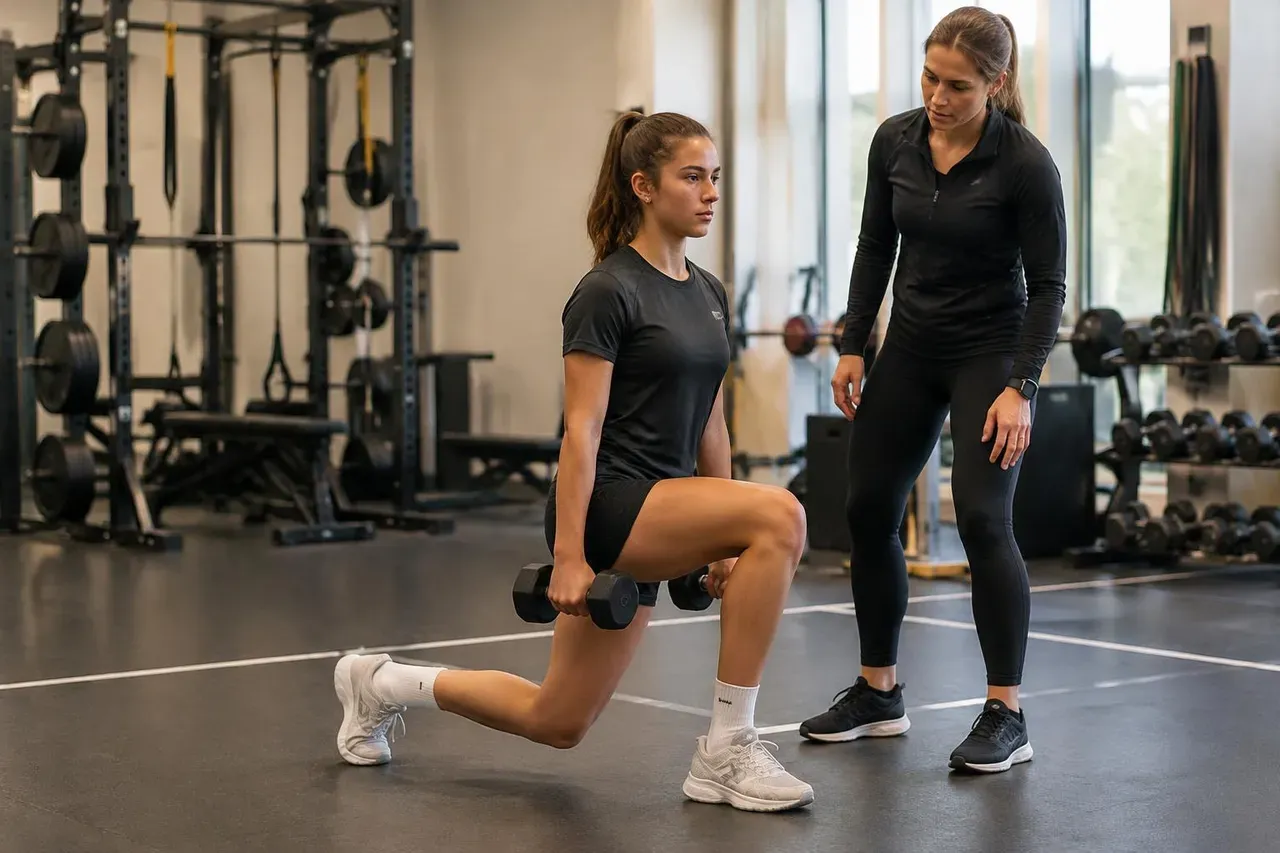
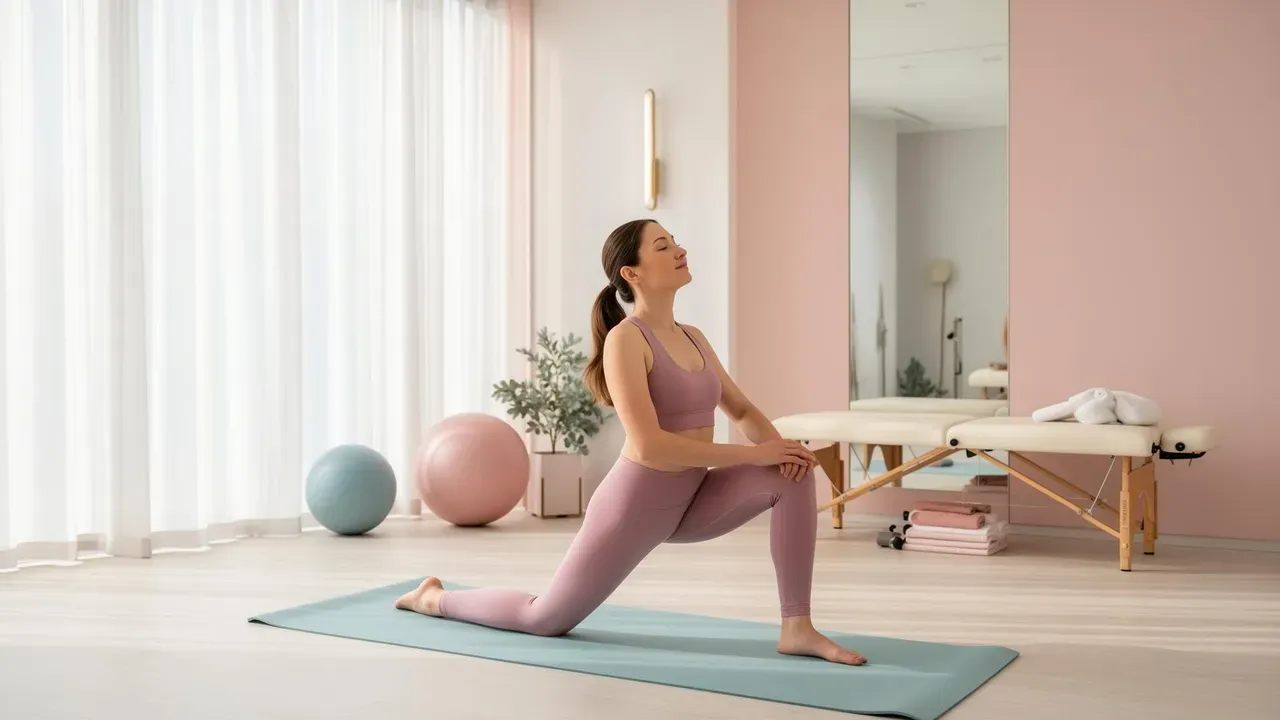
An In Vitro Fertilization (IVF) journey represents a significant physical and emotional challenge. Physical activity, often a source of well-being and balance, raises many questions for women engaged in this process. This article reviews current scientific recommendations.
🎯 Need personalized support?
Our team offers tailored guidance for women undergoing fertility treatment to maintain beneficial and safe physical activity.
Discover our programsThe Importance of Physical Activity During IVF
Regular exercise plays a fundamental role in preparing the body for pregnancy. Several studies demonstrate that physically active women show better responses to fertility treatments. Physical activity notably improves:
- Blood circulation to the uterus and ovaries
- Hormonal balance through cortisol regulation
- Insulin sensitivity, a key fertility factor
- Stress and anxiety management related to the journey
- Sleep quality, essential for recovery
📊 What the Research Says
A meta-analysis published in Human Reproduction Update shows that women practicing regular moderate physical activity have comparable or superior IVF success rates to sedentary women, with fewer treatment-related side effects.
Before Ovarian Stimulation
The period before treatment begins is ideal for establishing good habits. The goal is to optimally prepare the body without creating excessive physiological stress.
✅ Recommended
- • Brisk walking 30-45 min/day
- • Gentle yoga or Pilates
- • Light swimming
- • Moderate strength training
- • Stretching and mobility
⚠️ To Avoid
- • High-intensity training (intense HIIT)
- • Intensive running
- • Sports with repeated impacts
- • Exercises creating excessive abdominal pressure
- • Exhausting workouts
During Ovarian Stimulation Phase
This phase is the most delicate. The ovaries increase significantly in volume under hormonal effects, requiring particular precautions.
⚠️ Points of Vigilance
- • Risk of ovarian torsion: sudden movements and jumping are not recommended
- • Abdominal discomfort: adapt intensity according to sensations
- • Increased fatigue: respect your body's signals
- • Hydration: drink enough before, during, and after exercise
Practical recommendations: Favor gentle activities like light walking, adapted prenatal yoga, or swimming without sudden movements. Intensity should remain low to moderate (ability to maintain a conversation).
After Embryo Transfer
The post-transfer period raises many concerns. Traditional strict bed rest recommendations are no longer systematically advocated by specialists.
🔬 Evolution of Recommendations
Recent studies show that strict bed rest after transfer does not improve implantation rates. On the contrary, light activity can promote uterine blood circulation.
Source: Fertil Steril 2013 - "Bed rest after embryo transfer: a myth?"
Tips for the first 48-72 hours:
- Gentle walking at home or outdoors (10-15 min several times a day)
- Avoid lying down permanently
- No heavy lifting
- Avoid hot baths and saunas
- Gradually resume normal activity after 48h
Types of Exercises Adapted to Each Phase
| Phase | Recommended Activities | Intensity |
|---|---|---|
| Pre-treatment | Walking, yoga, swimming, light strength training | Moderate (60-70% HRmax) |
| Stimulation (D1-D5) | Walking, gentle yoga, stretching | Light (50-60% HRmax) |
| Stimulation (D6-retrieval) | Light walking only | Very light |
| Post-transfer (48-72h) | Gentle walking, active rest | Minimal |
| Waiting for results | Walking, prenatal yoga, gentle swimming | Light to moderate |
Physical Activity and Stress Management
Chronic stress can negatively affect IVF outcomes by disrupting hormonal balance. Adapted physical activity is a powerful tool to:
- Reduce cortisol (stress hormone)
- Stimulate endorphins (feel-good hormones)
- Improve sleep quality
- Maintain a sense of control over your body
- Foster mind-body connection
🧘 Yoga: An Ally for the Fertility Journey
Gentle yoga, and particularly fertility yoga, combines breathing, gentle movements, and relaxation. It promotes pelvic circulation and helps manage the emotional stress of the journey.
Common Mistakes to Avoid
❌ Mistake #1
Stopping all activity completely
Total sedentary behavior can increase stress, promote weight gain, and reduce blood circulation.
❌ Mistake #2
Maintaining intensive training
Intense exercise can divert blood flow from reproductive organs and create excessive physiological stress.
❌ Mistake #3
Ignoring body signals
Excessive fatigue, abdominal pain, unusual shortness of breath: know when to stop and adapt.
❌ Mistake #4
Comparing yourself to others
Every journey is unique. What works for one woman may not be suitable for another.
Practical Tips for a Serene Journey
- 1
Communicate with your medical team
Inform your gynecologist of your exercise habits for personalized advice.
- 2
Keep an activity journal
Note your sessions, energy level, and sensations to adapt as you go.
- 3
Prioritize regularity over intensity
30 minutes of daily walking is better than one intense weekly session.
- 4
Integrate relaxation practices
Meditation, deep breathing, yoga nidra as complements to physical activity.
- 5
Get professional support
A coach trained in fertility journey specifics can guide you safely.
🤝 Personalized Support at Off-Field
Our team offers tailored guidance for women undergoing assisted reproduction. Custom programs, safe exercises, and supportive care.
FAST BOOKING PHYSIOConclusion
Physical activity during an IVF journey is not only possible, it is recommended – provided it is adapted to each phase of treatment. The goal is to maintain an active and relaxed body, conducive to implantation and embryonic development.
By favoring gentle activities, listening to your body, and surrounding yourself with competent professionals, every woman can go through this journey while preserving her physical and mental well-being.
Note: This article provides general information and does not replace personalized medical advice. Always consult your fertility team before modifying your physical activity habits.