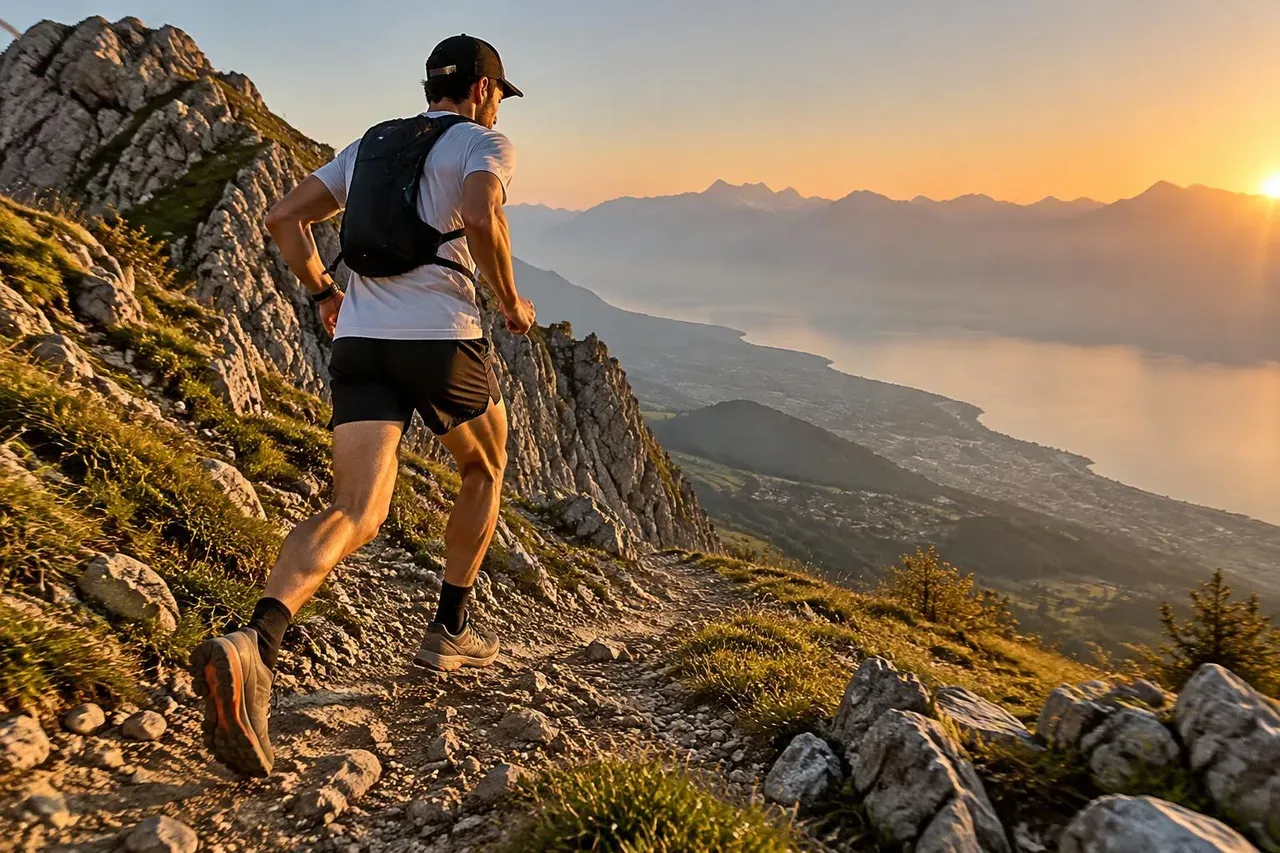
"He already trains three times a week, that's enough." Partly true: you get better at football by playing football. But that doesn't mean playing the sport develops every physical quality a young athlete will need.
What the 2026 meta-analysis shows
A 2026 systematic review and network meta-analysis on physical preparation in youth soccer analysed 89 studies comparing training methods: plyometrics, strength, sprint, acceleration, change of direction and combined approaches.
The most interesting signal: programmes combining plyometrics with sprint and/or change of direction produced the most favourable results on lower-limb power, acceleration, 20-metre sprint and change-of-direction ability.
⚠️ An important caveat
The authors stress it themselves: confidence in the evidence is low to very low depending on the comparison. This study points a direction — it isn't a universal recipe to copy.
What sport doesn't always provide
A football session contains accelerations, direction changes, running and sometimes jumping. But the real amount and intensity of those actions vary enormously with position, game format, level, coach and session content.
A young player can train several times a week without ever truly sprinting at high speed. He can run a lot without learning to produce more force. He can change direction constantly without ever progressively building his ability to brake and reaccelerate.
Tennis
Thousands of strokes, yet sometimes a clear lack of leg strength.
Basketball
Regular jumping without any structured plyometric progression.
Ice hockey
Very comfortable on skates, with strength and power still underdeveloped.
Physical preparation exists to complete what the sport doesn't supply enough of.
Build an athlete, not just a specialist
With a young person, the goal shouldn't only be the best possible player in the short term. We also want to progressively build an athlete able to:
- • produce force;
- • jump and land;
- • accelerate;
- • reach real speed;
- • brake;
- • change direction;
- • coordinate the body;
- • progressively tolerate more load.
These qualities form a physical toolbox. The richer it is, the more solutions the athlete has — for today's sport and for the next stages of development.
🎯 Find out what's actually missing
The Full Test (2 h, in Gland) measures strength, power, asymmetries and jump qualities — the simplest way to see what the sport already delivers, and what needs completing.
Book my Full TestStrength for young athletes: yes, when supervised
Resistance training in teenagers is still misunderstood. Developing strength doesn't mean asking a young person to lift maximal loads or train like an adult bodybuilder.
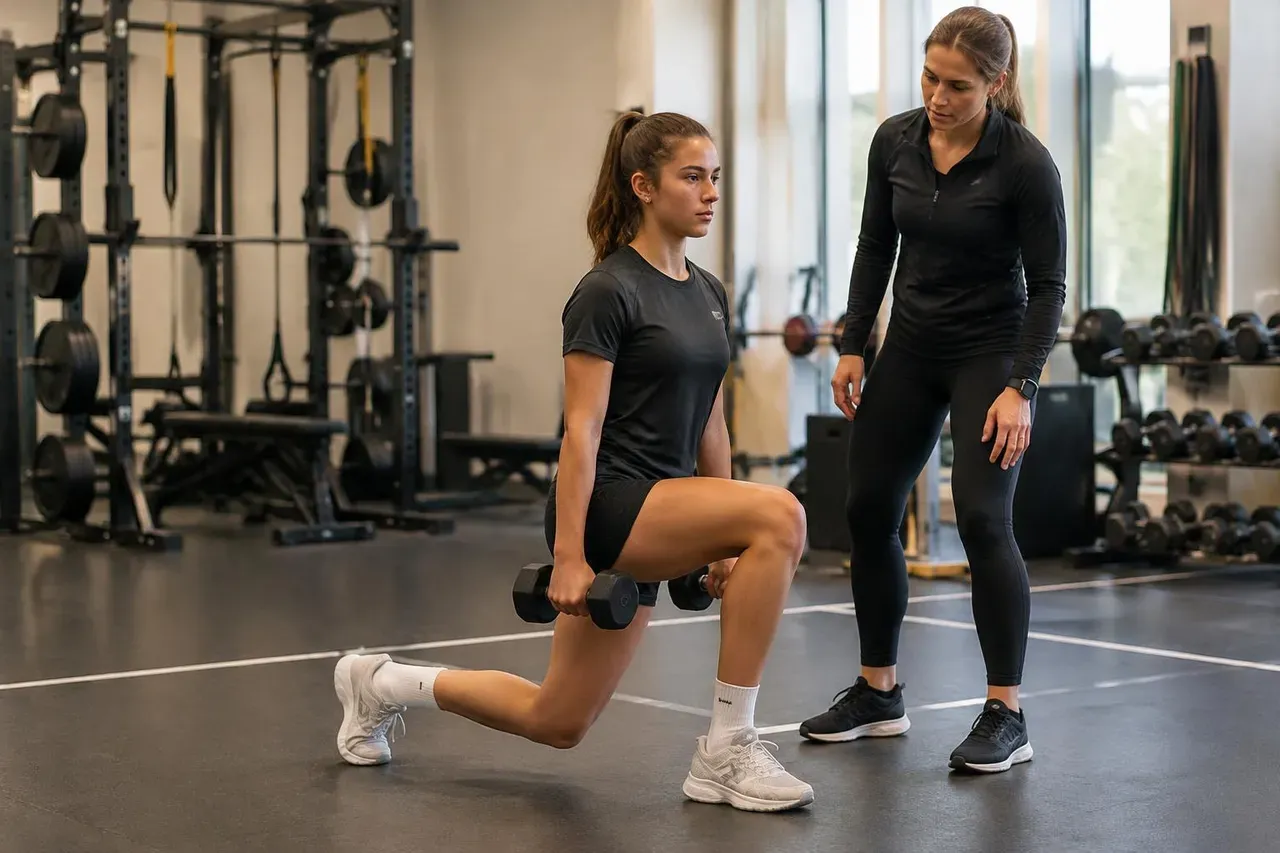
It starts with learning to produce force correctly, with appropriate technique, exercises matched to the level and a coherent progression. External load can be very light at first: bodyweight, medicine balls, bands, light dumbbells. Then, as competence grows, load progresses. See also our article on resistance training and growth in children and adolescents.
🔑 The goal
Not to build a powerlifter. To give the athlete an additional physical resource.
Sprinting is a skill to train
Running fast isn't just telling a young athlete to "run faster". Sprinting develops through genuine exposure to acceleration and speed, enough recovery and an adapted progression.
In many team sports, training spaces are simply too small to reach high speed. A player can attend many intense sessions without ever getting enough high-speed exposure. A few well-organised sprints then deliver something small-sided games simply don't.
Jumping isn't just jumping
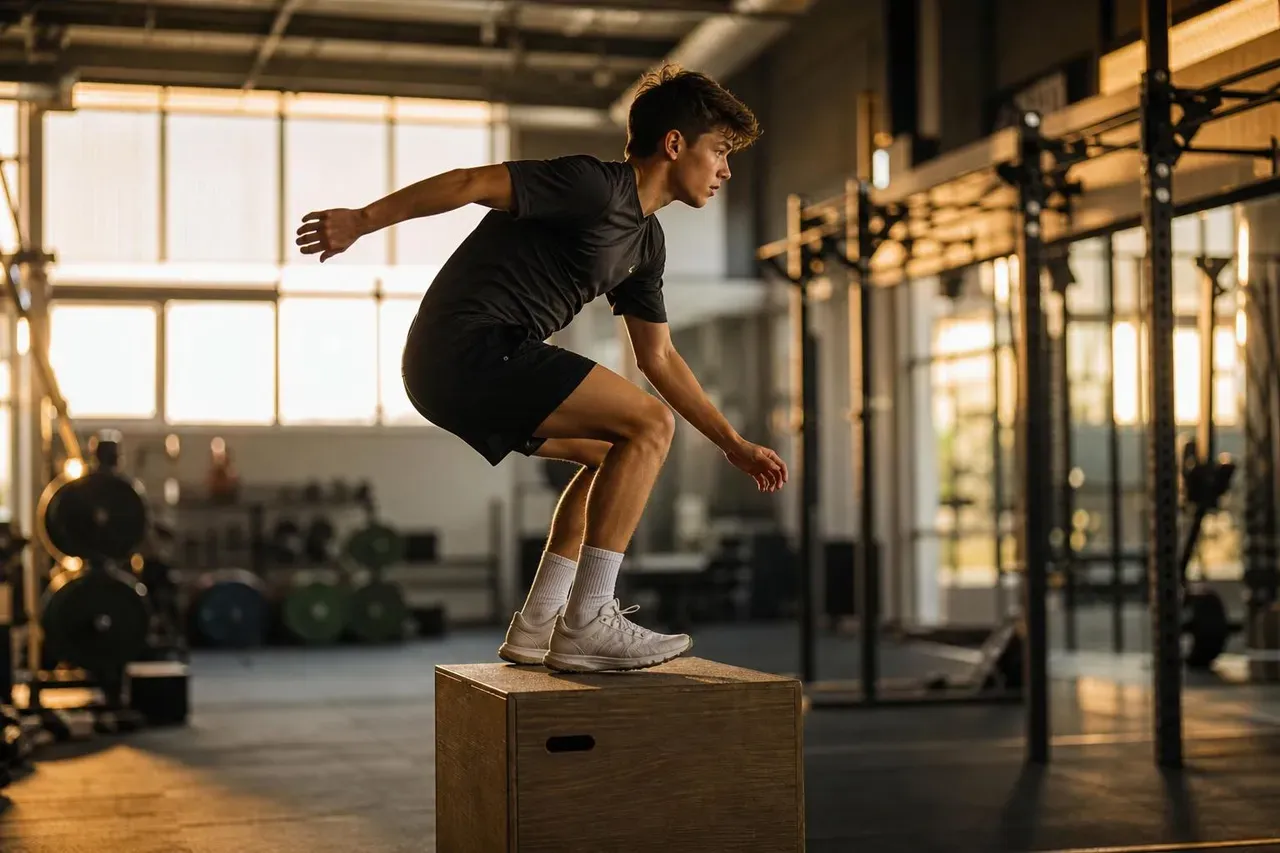
Plyometrics is another example. Piling up dozens of random jumps isn't enough. A young athlete progressively learns to land, absorb force, produce force quickly, rebound, jump in different directions and handle increasingly fast constraints.
Quality and progression matter far more than jump count.
Change of direction must be prepared too
Braking quickly and leaving in another direction imposes heavy demands. Sport exposes young athletes to these situations naturally, but not always progressively or in a controlled way.
Physical preparation builds the ability to decelerate, control positions and reaccelerate, before reintroducing more speed, uncertainty and sporting context.
Should everything be trained every session?
No — and that nuance matters. Developing several qualities across a year doesn't mean cramming strength, sprint, plyometrics, conditioning and change of direction into every session.
Programming must account for age, experience, competition calendar, maturation, fatigue and above all what the athlete already does at the club. Some blocks emphasise one quality; others mainly maintain what has been built. The aim is to avoid big gaps in development.
The early specialisation trap
When a young player becomes good, the temptation is to add more of the same sport. More sessions. More camps. More matches. More competition. Useful — up to a point.
But if all available time is filled with specific practice, little room remains for the general physical qualities that will support future progress. A young athlete doesn't only need to repeat what he already does well: he needs to build what is still missing.
Our approach at Off-Field
We prefer a simple question: which qualities does this athlete already get from the sport, and which do we need to complete? Physical preparation shouldn't compete with the club — it should complete its work.
- ✅ For some, the priority is strength.
- ✅ For others, genuinely learning to sprint.
- ✅ For others still, jumping, braking, coordination and movement confidence.
So there is no identical programme for everyone. But there is a principle: before trying to create a specialist too early, build an athlete. A stronger, faster, more coordinated and more robust young person simply has more resources to express their sport — exactly the point of our Young Athlete pathway.
FAQ
Isn't playing the sport enough to become athletic?
Not entirely. Real exposure to high-speed sprinting, force production and progressive braking varies a lot with position and session content.
Is strength training dangerous for teenagers?
No, when supervised and progressive. The first goal is learning to produce force correctly with appropriate loads.
Should every quality be trained in every session?
No. Emphasise one quality per block and maintain the others, accounting for the club calendar and fatigue.
🎯 Build the athlete before the specialist
Objective testing, then a physical preparation plan that completes the club's work instead of competing with it.
Book my Full TestSources: Wang K., He J., Zhu A. et al., Effects of different training modalities on lower-limb explosive power, acceleration, 20-m sprint performance, and change-of-direction ability in youth soccer players (BMC Sports Science, Medicine and Rehabilitation, 2026, DOI: 10.1186/s13102-026-02041-9); Lloyd & Oliver, Youth Physical Development Model (2012); Faigenbaum A.D. et al., Youth Resistance Training — NSCA Position Statement (2009).