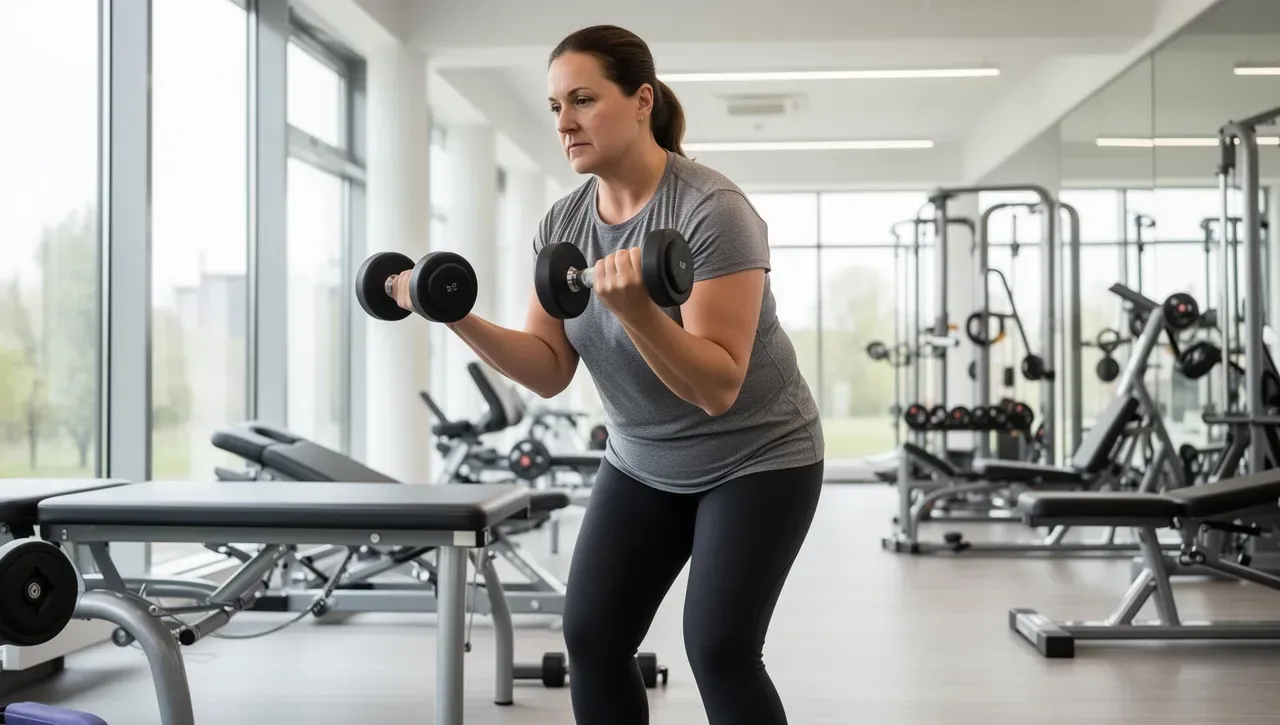
Obesity is no longer considered a simple "excess of calories". Modern science recognizes it as a complex chronic disease, involving adipose tissue as a dysfunctional endocrine organ, systemic inflammation and insulin resistance. In Switzerland, 43% of the adult population is overweight. This article deconstructs the biological mechanisms and proposes concrete solutions, rooted in the local ecosystem of Gland and La Côte.
🎯 Ready to transform your metabolism?
Our Personal Training program combines strength training and nutritional monitoring for lasting results, supervised by professionals.
Discover Personal TrainingEpidemiology: a silent crisis in expansion
Data from the Swiss Health Survey (SHS) 2022 paints a concerning picture: 31% of the adult population is overweight (BMI 25-29.9) and 12% suffers from obesity (BMI ≥ 30). Since 1992, the prevalence of obesity has doubled — and this trend shows no signs of slowing.
📊 Key figures 2022 — Switzerland
43%
Population overweight
31%
Overweight
12%
Obese
x2
Doubled since 1992
The economic cost: 3.7 billion francs per year
According to the Swiss Health Observatory (Obsan), direct health costs attributable to overweight and obesity reach CHF 3.7 billion in 2022 — a 48% increase in 10 years. These costs cover consultations, hospitalizations, bariatric surgery and drug treatments.
Meta-inflammation: obesity as an inflammatory disease
The central concept of modern obesity is "meta-inflammation" (metabolic inflammation triggered by nutrients). Unlike acute inflammation (redness, heat, pain), meta-inflammation is chronic, low-grade and systemic.
🔬 Cellular mechanism
- 1. Adipocyte hypertrophy — Excessive energy intake forces adipocytes to store massively. They grow and move away from blood capillaries.
- 2. Local hypoxia — Oxygen deprivation creates cellular stress, leading to death of some adipocytes.
- 3. Macrophage infiltration — Macrophages infiltrate adipose tissue and switch from M2 state (anti-inflammatory) to M1 (pro-inflammatory).
- 4. Inflammatory cascade — M1 macrophages secrete TNF-α and IL-6, which pass into the blood and reach liver, muscles and brain.
Muscle: an anti-inflammatory endocrine organ
One of the most promising discoveries is the recognition of muscle as an endocrine organ. During contraction, muscle releases peptides called myokines, with systemic beneficial effects.
⚡ The Interleukin-6 paradox
Adipose IL-6
Secreted chronically by adipose tissue at rest. Pro-inflammatory and deleterious.
✓ Muscular IL-6
Secreted pulsatile during intense exercise. Anti-inflammatory, inhibits TNF-α and stimulates anti-inflammatory cytokines.
This is how exercise acts as a natural anti-inflammatory "drug", capable of countering the meta-inflammation of obesity.
The debate settled: resistance + aerobic = optimal
What's the best form of exercise for weight loss? Recent meta-analyses provide a nuanced answer:
| Exercise type | Advantages | Limitations |
|---|---|---|
| Aerobic (Cardio) | Reduces visceral fat, stimulates irisin, improves lipid oxidation | Doesn't preserve muscle mass, risk of sarcopenia |
| Resistance (Strength) | Preserves lean mass, maintains basal metabolism, improves insulin sensitivity | Lower immediate caloric expenditure |
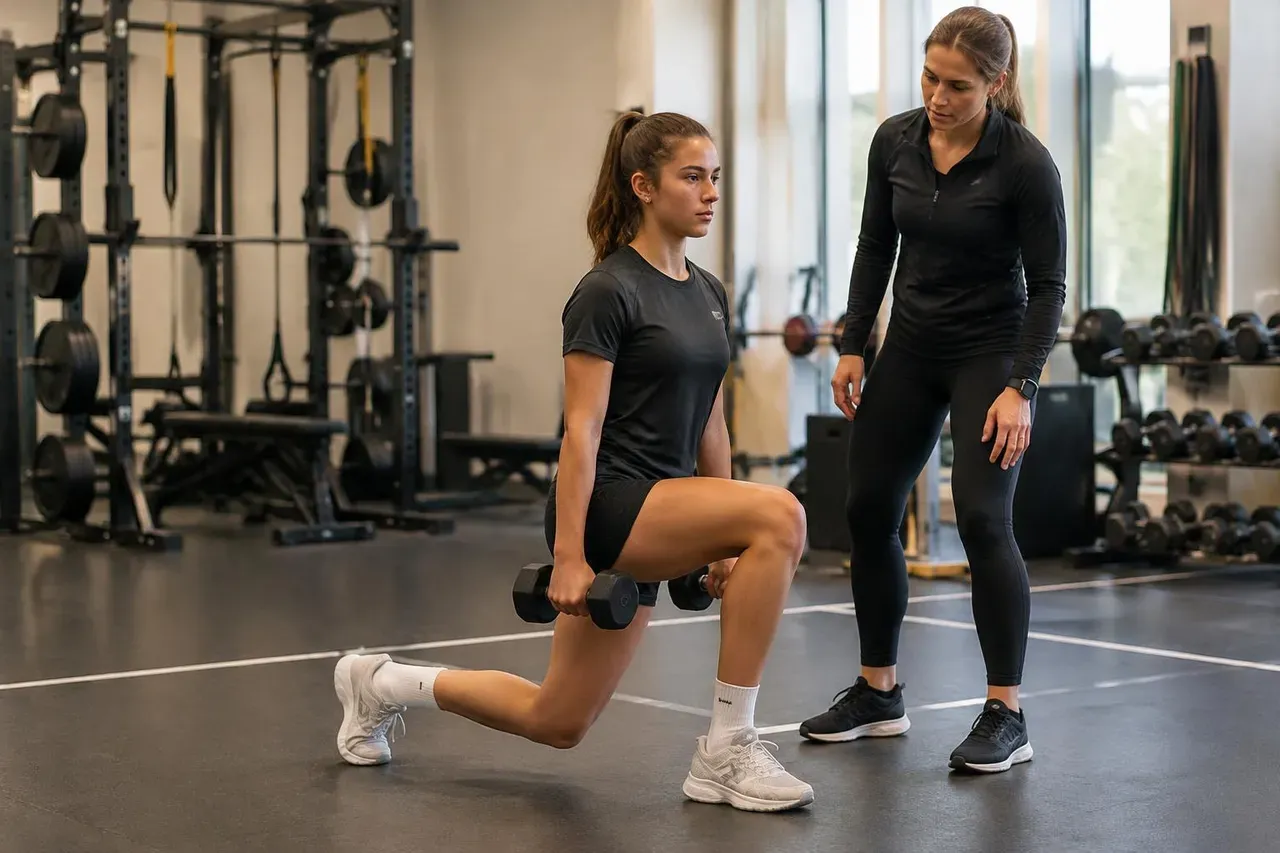
| Combined (Concurrent Training) | Maximizes fat loss + preserves muscle + optimizes inflammatory profile via myokines | Requires more time and planning |
NEAT: the importance of non-exercise movement
NEAT (Non-Exercise Activity Thermogenesis) refers to energy spent on everything that isn't sleeping, eating or "formal" exercise: walking, gardening, fidgeting, standing. NEAT variations between two individuals can explain an energy expenditure difference of up to 2000 kcal per day.
💡 Why NEAT is crucial
In a sedentary society like Gland/Vaud, increasing NEAT (working standing 2h/day, taking stairs, walking for short trips) often has a greater metabolic impact than one hour of sport followed by 10 hours sitting.
NEAT activates lipoprotein lipase (LPL), a crucial enzyme for fat metabolism, which is deactivated by prolonged inactivity.
The solution ecosystem in Gland and La Côte
The practical application of these scientific principles is facilitated by the wealth of infrastructure available in Gland. The city offers a continuum of solutions ranging from free to highly specialized.
🌲 Free public infrastructure
- • Parcours Vita (En Bord Sports Center): 2.1 km, perfect for combined aerobic + resistance training
- • Toblerones Trail: 10 km, ideal for Rucking and Zone 2
- • Surrounding forests: proven "Shinrin-yoku" effect on cortisol reduction
🏥 Medical approach (La Lignière)
- • Cardiovascular rehabilitation for at-risk patients
- • Biopsychosocial approach integrating emotional health
- • Dietary follow-up to rebalance without restrictive diets
Conclusion: obesity is not fate
Obesity is a maladapted physiological response to a modern environment. By realigning our lifestyles with our biology — using muscle as a health engine, nature as calming and community as support — it's possible to reverse the curve.
🎯 Key message
Exercise isn't a "calorie burner" — it's an anti-inflammatory drug that reprograms your metabolism via myokines. The key to success: combined training (resistance + aerobic), high daily NEAT, and a protein-rich diet.
📊 Start your transformation
Our team of physiotherapists and physical preparation coaches supports you with a personalized approach, adapted to your condition and goals.